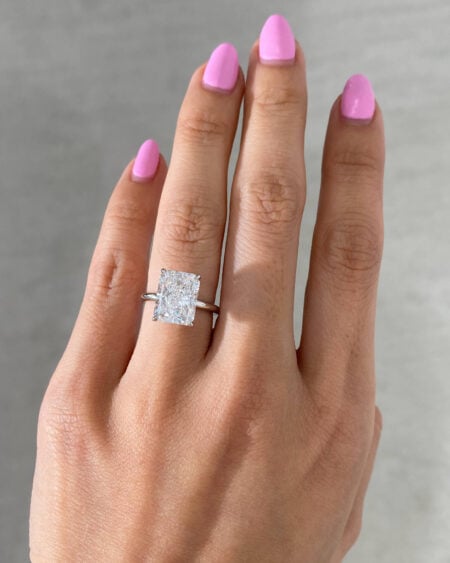
Gold jewellery South Africa
The complete gold collection at Aria Jewellery Palace, made and finished in Cape Town and delivered insured across the country. Three hundred and twelve pieces in solid 9ct and 18ct gold, hallmarked, in yellow, white and rose.
This is the parent page for everything gold, so it is built to send you to the right place rather than to sell you one item. Below you will find what each type of piece starts at, how gold is actually priced in this country, how to read a hallmark, and the four words that separate real gold from things that look like it.
One promise runs through all 312 pieces. If it is in this collection it is solid gold, not plated and not filled. Plated pieces are sold separately and labelled as such in gold plated jewellery.
Where to start
| Collection |
What is in it |
Starts around |
Pieces |
| Gold rings |
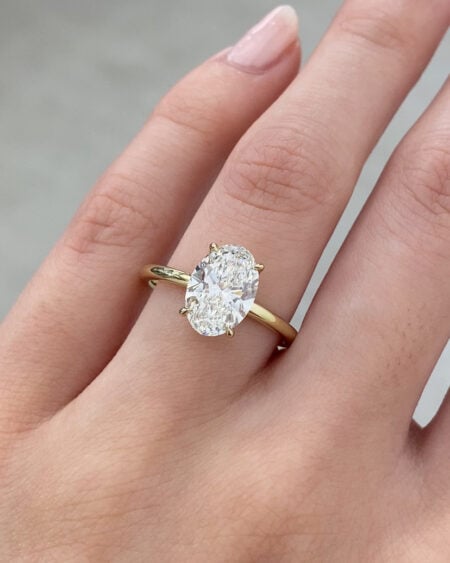
Dress rings, solitaires, signets and bands |
R6,050 |
66 |
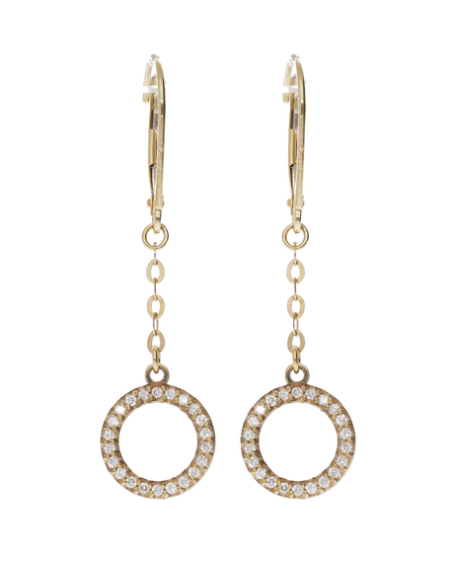
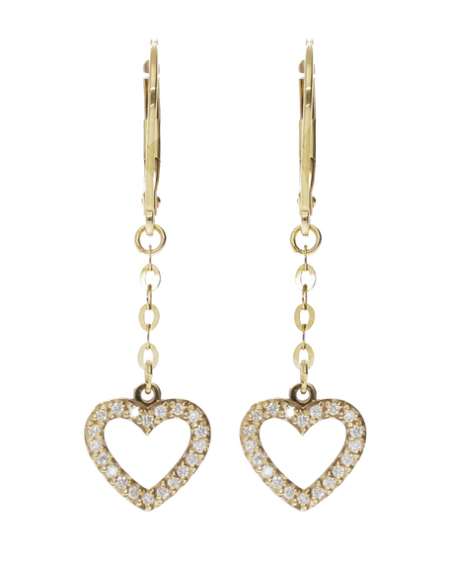
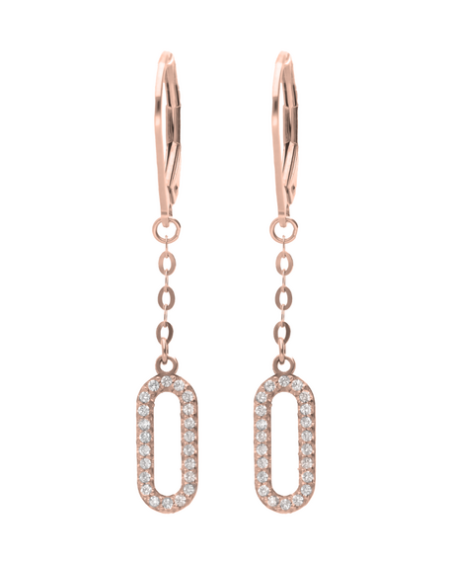
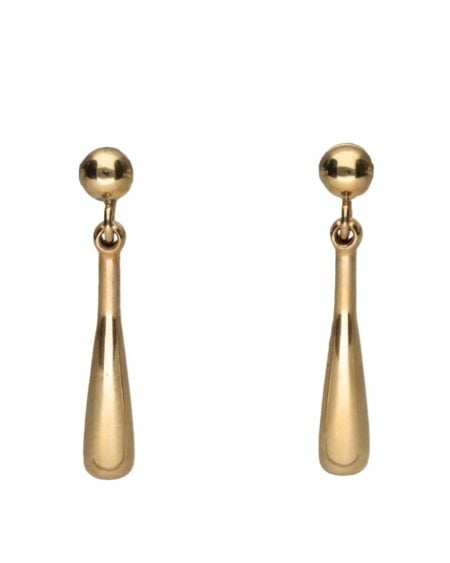
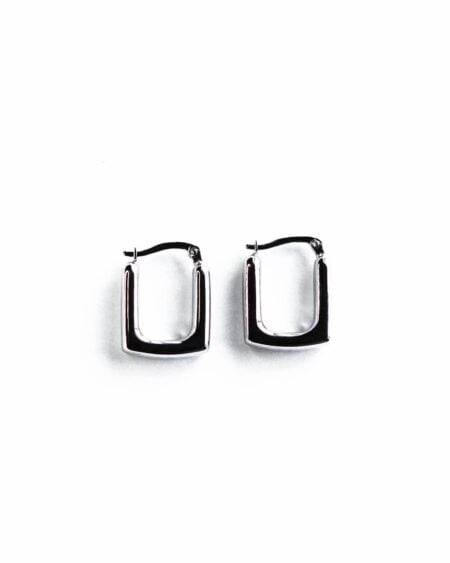
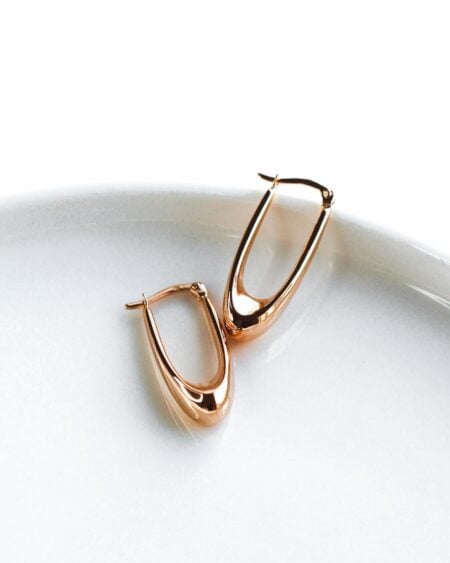
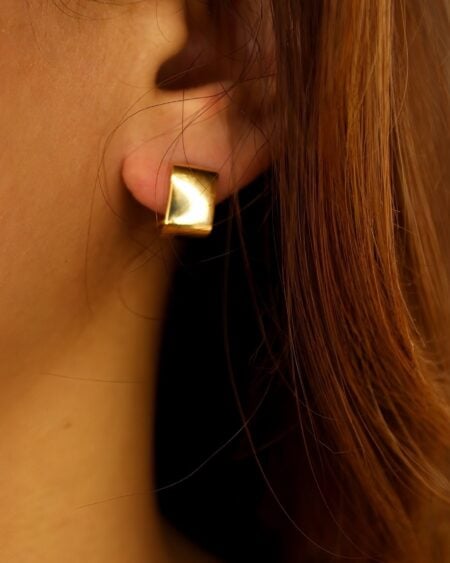
| Gold earrings |
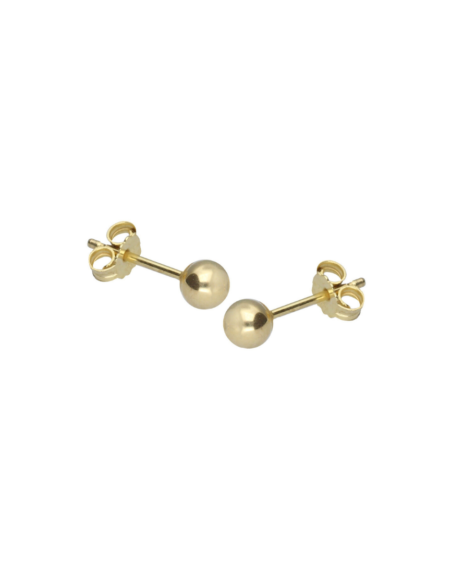
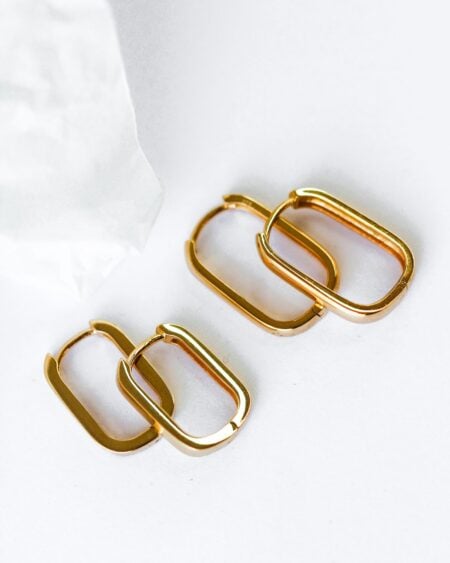
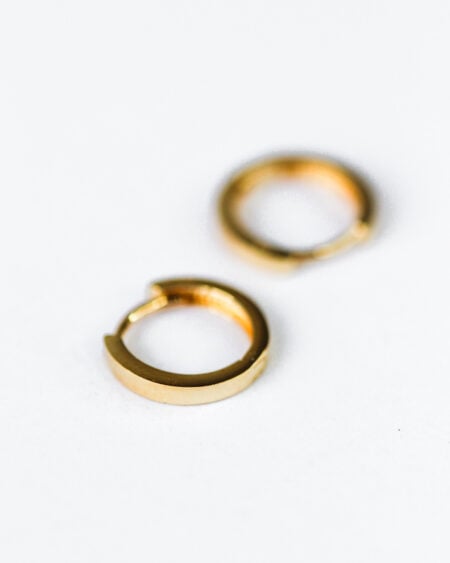
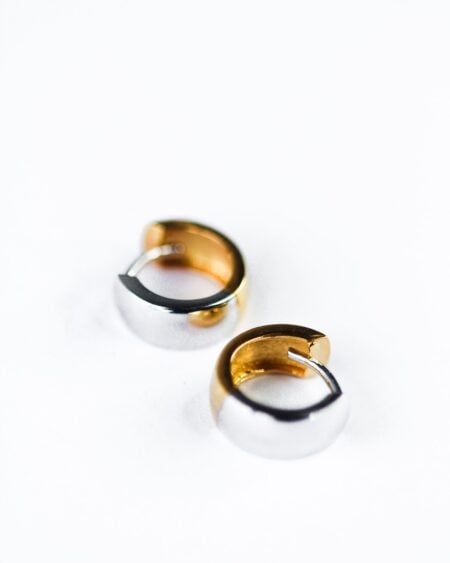
Studs, hoops, huggies, creoles and drops |
R1,295 |
61 |
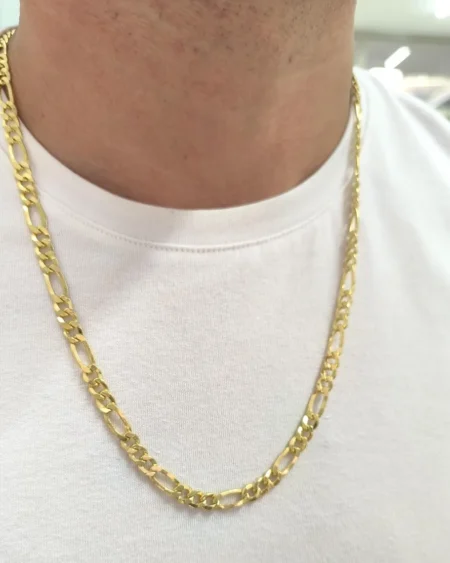
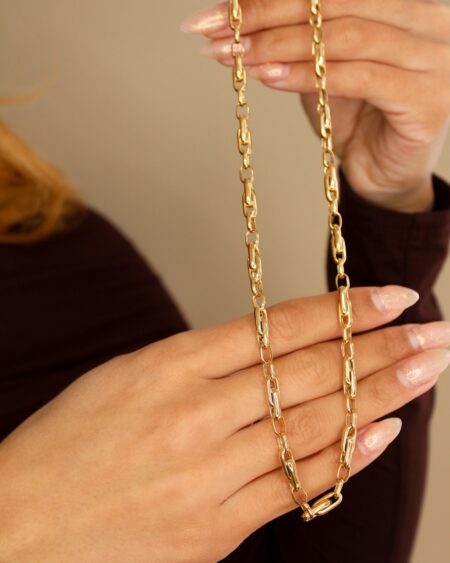
| Gold chains |
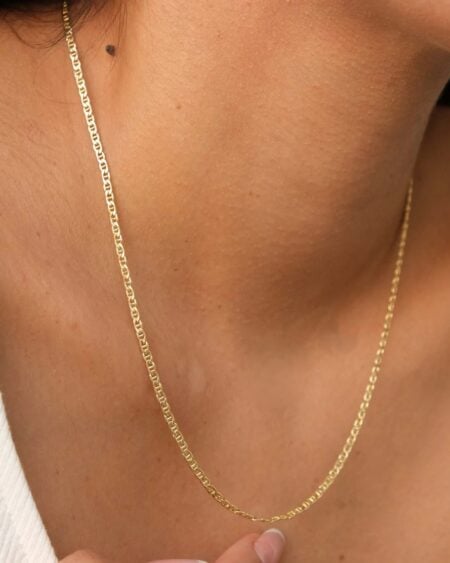
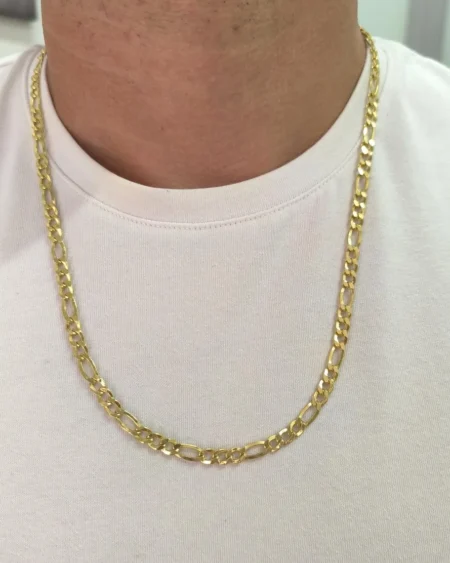
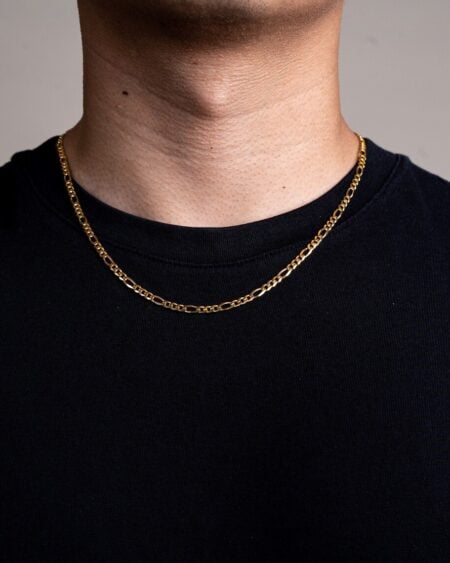
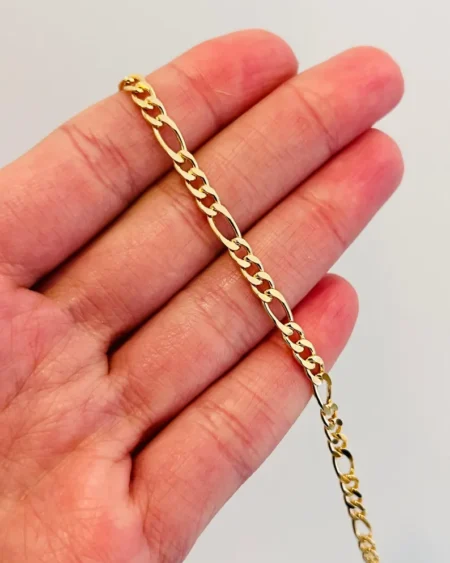
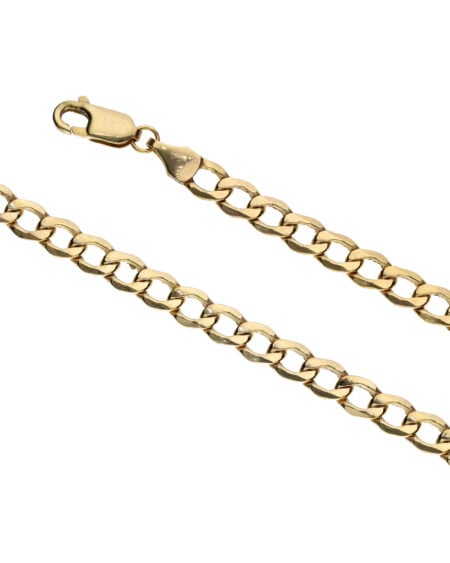
Curb, figaro, rope, belcher, snake and gucci link |
R5,595 |
58 |
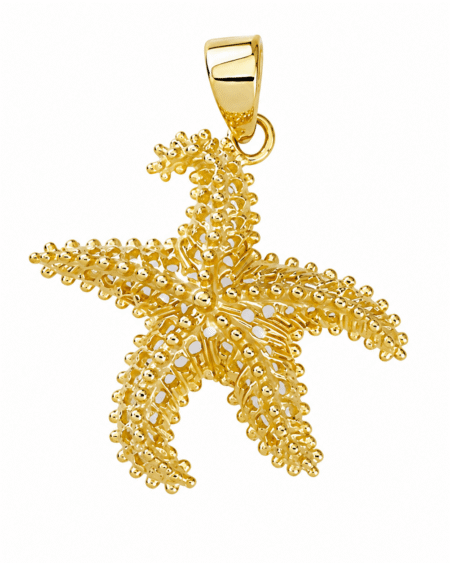
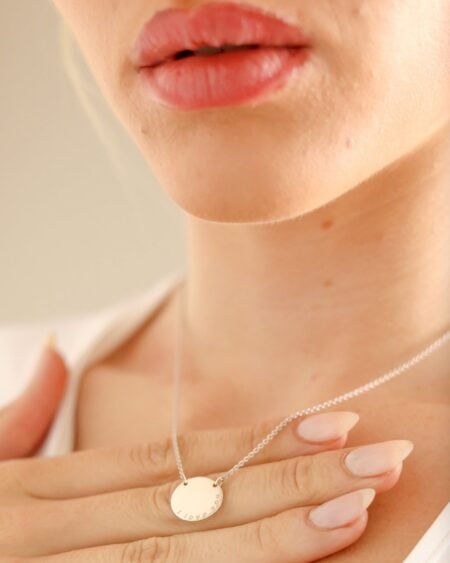
| Gold pendants |
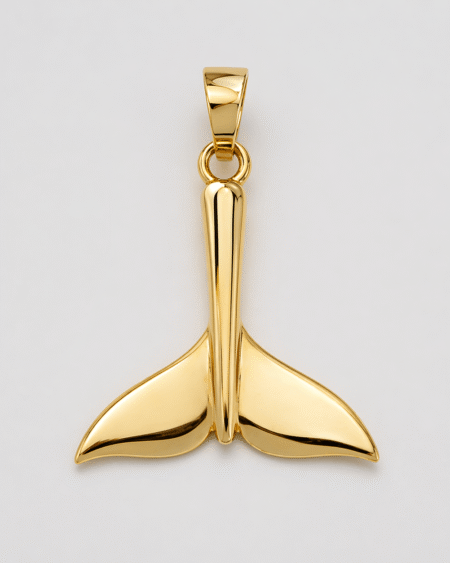
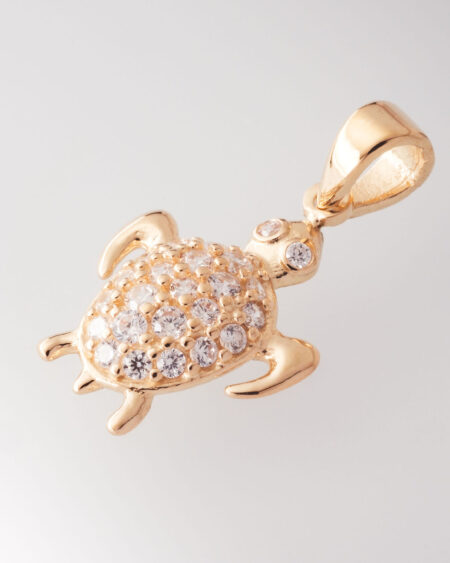
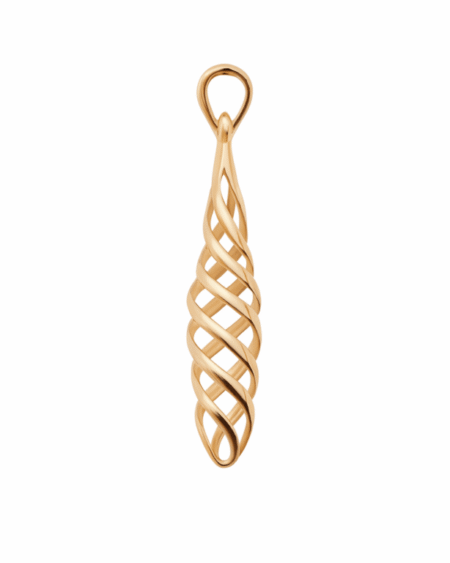
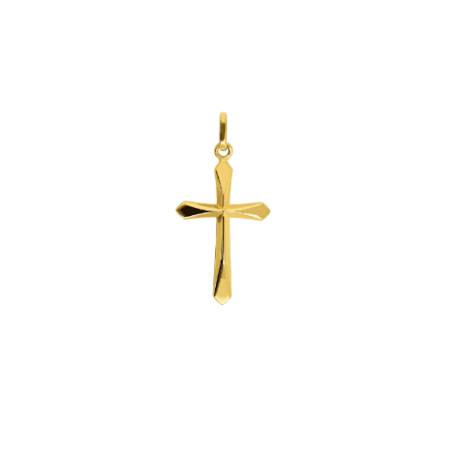
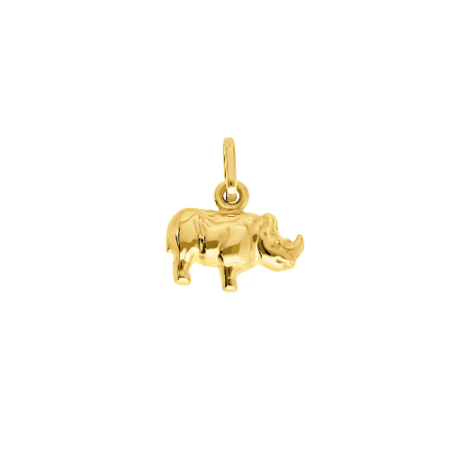
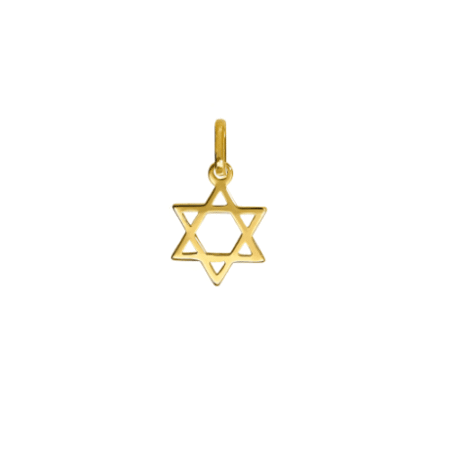
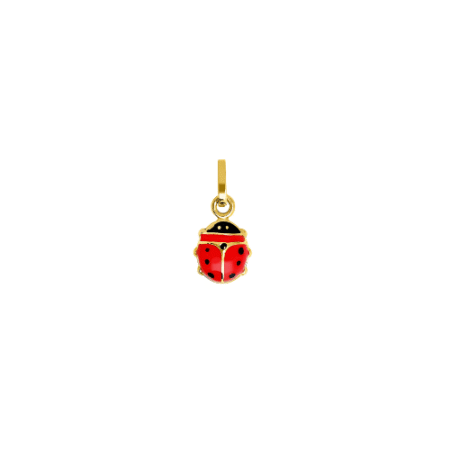
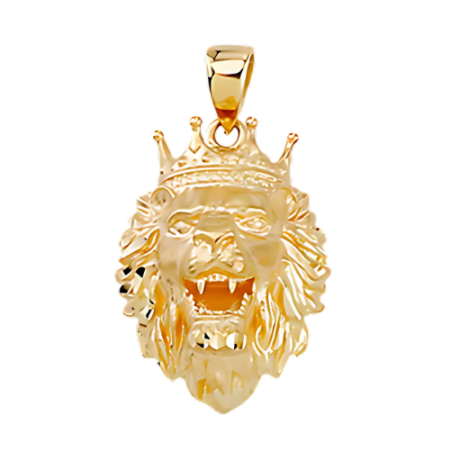
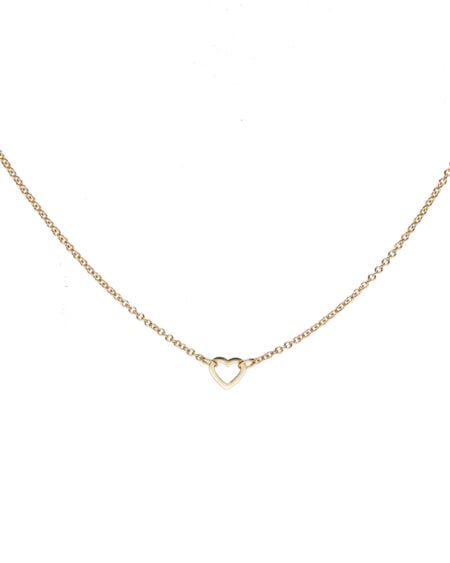
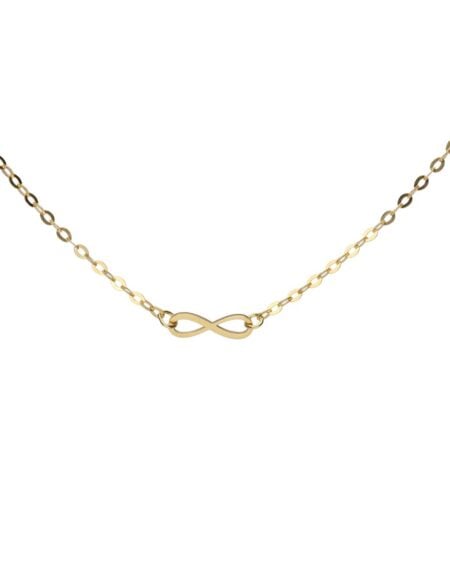
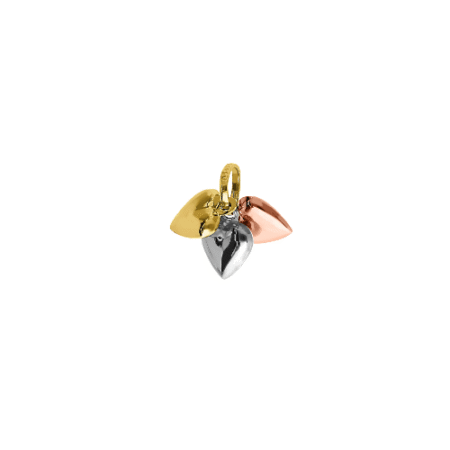
Crosses, 21st keys, hearts, charms and diamond set pieces |
R550 |
41 |
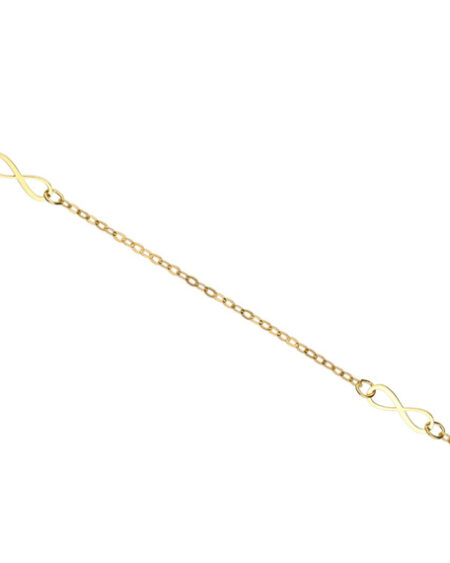
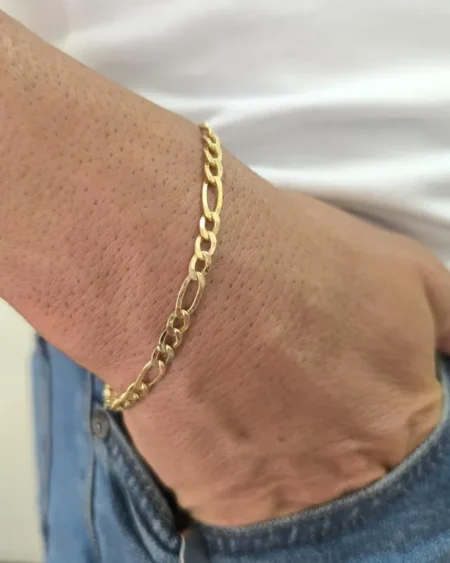
| Gold bracelets |
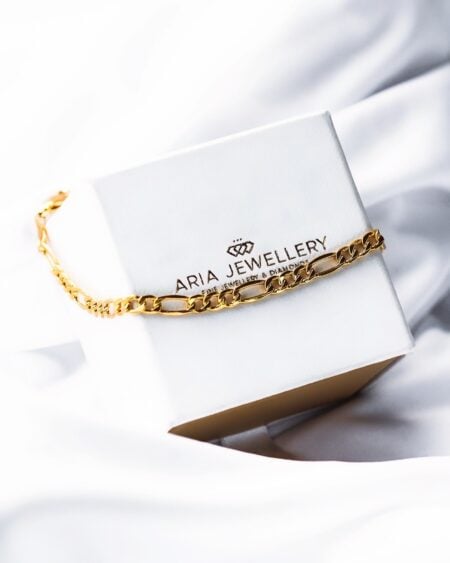
Figaro, curb, rope, paper clip and ID bracelets |
R3,595 |
33 |
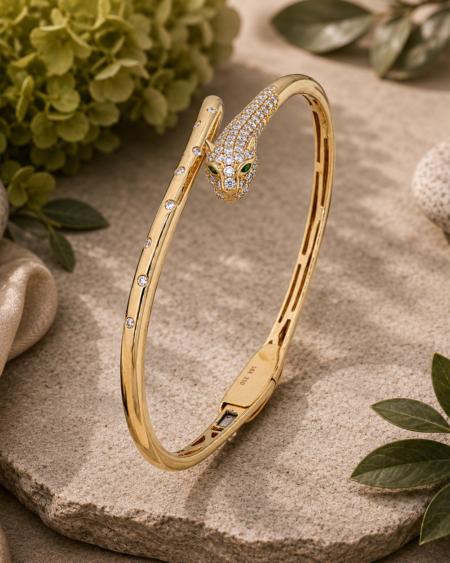
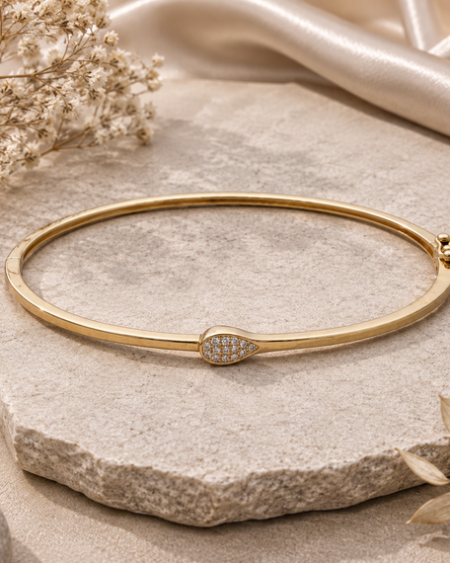
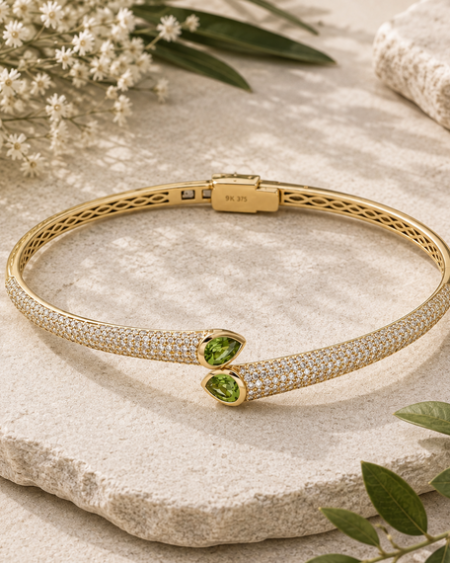
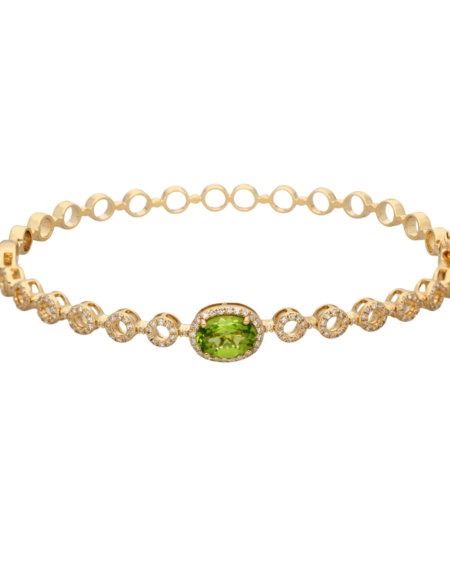
| Gold bangles |
Solid and hollow bangles, the heaviest pieces per item |
The highest here |
13 |
Two more gold collections sit outside this tree. Engagement rings and wedding rings are all made in solid gold but are grouped by occasion rather than by metal, and mens jewellery gathers the gold pieces cut and weighted for men.
How gold is priced in South Africa
Gold jewellery is not priced like a handbag. There is no brand premium buried in the number and no seasonal markdown coming. Three things make up what you pay, in this order.
The metal itself is the largest part, and it is bought by weight at a price set on international markets in dollars. That price moves daily, and it moves with the rand as well, so the same physical piece can cost meaningfully more or less two months apart without anybody changing their margin.
The carat is the second factor, because 18ct holds twice the pure gold of 9ct in the same volume of metal. The workmanship is third, and it is the only part a jeweller fully controls. A handmade or unusual piece takes more hours than a machine made one.
Two practical consequences follow. A written quote on a heavy piece is valid for a period rather than forever, which is normal at any jeweller in the country. And when two sellers quote wildly different prices for what looks like the same chain or bangle, the difference is almost always gauge and weight rather than honesty. Ask what a piece weighs in grams before you compare.
Reading a hallmark
Every solid gold piece carries a small stamp confirming its purity. Knowing where to look takes ten seconds and settles the question completely.
| Piece |
Where the stamp usually sits |
| Ring |
Inside the band, opposite the setting |
| Chain or bracelet |
On the clasp itself, or on a small tag beside it |
| Pendant or charm |
On the back, or on the bail at the top |
| Earrings |
On the post behind the ear, or on the butterfly back |
| Bangle |
Inside the band, near the hinge or the clasp |
The stamp reads 375 for 9ct or 750 for 18ct. Some pieces carry the words rather than the numbers, and some carry a maker’s mark alongside. What matters is that there is one, in the right place, and that it matches what the listing claimed. No stamp on a piece sold as solid gold is a reason to ask a question rather than to assume.
Which carat suits which piece
South Africa buys mostly 9ct, and that is a sensible national habit rather than a compromise. 18ct is richer in colour and holds twice the gold, but it is the softer of the two, and softness matters differently depending on what the piece has to survive.
| Piece |
The usual choice |
Why |
| Wedding bands and daily rings |
9ct |
A band takes more knocks than anything else. Hardness beats colour here |
| Chains and bracelets |
9ct |
Links flex constantly, and the harder alloy resists stretching |
| Diamond settings |
18ct |
Colour matters next to a white stone, and claws are protected by the setting |
| Pendants and charms |
Either |
They hang rather than rub, so choose on colour and budget |
| Earrings |
9ct |
Posts and butterflies are fine parts that benefit from a harder alloy |
| Heavy statement pieces |
18ct if the budget allows |
At that weight the gauge does the work, so softness matters less |
Yellow, white and rose, and what each one asks of you
All three are the same gold content at the same carat, mixed with different metals to change the colour. They cost within a few percent of each other. Where they genuinely differ is maintenance.
Yellow gold asks nothing. It is the traditional South African choice, it hides everyday scratches better than the other two, and it never needs anything done to it beyond a wash.
White gold asks for occasional attention. It is finished with a rhodium plating that gives it its bright white face, and that plating wears down over a few years, particularly on rings and bracelets that rub against things. When it does, a slightly warmer tone shows through. Replating is routine and inexpensive, but it is a cost to know about before you choose white gold for a piece worn daily.
Rose gold asks nothing either, and it is quietly the hardest of the three because of the copper in the alloy. It suits fine pieces for that reason, and it sits between yellow and white if you already own both.
Four words worth knowing before you buy gold anywhere. Solid gold means the metal runs through the whole piece, hallmarked 375 or 750, which is everything in this collection. Gold plated means a thin layer of gold over another metal, usually silver or brass, which wears through at the points of contact and cannot be restored to original. Gold filled means a thicker bonded layer, better than plated and still not solid. Vermeil means gold plating specifically over sterling silver, a genuine product that sits above ordinary plating. All four are legitimate and all four are priced differently. What is not legitimate is a listing that says gold and means one of the other three.
Buying your first solid gold piece
People usually arrive here after owning silver for years, and the question is which piece to buy first when the budget only stretches to one.
Earrings are the practical answer and the least obvious one. Studs start at R1,295, they never need sizing, they are almost never lost as a pair, and they are worn more hours per year than anything else you will buy. A pendant is the sentimental answer, because a small solid gold charm from R550 carries meaning that a chain on its own does not.
A chain is the piece most people actually want, and it is the one to buy second rather than first, because R5,595 buys a fine chain while the same money buys a substantial pair of earrings. A ring is the hardest to buy first, since sizing has to be right and rings get compared to other rings.
Whatever you start with, buy narrower in solid gold rather than wider in plated. A fine solid chain still looks right in fifteen years. A wide plated one does not last two.
Gold, value and insurance
Gold jewellery holds value better than any other jewellery you can buy, because you own a traded metal by weight. That is true and worth saying. What follows it is the part most sellers leave out.
Resale is not the same as the price you paid. A dealer buying a piece back is buying scrap weight at a discount to spot, not the workmanship, not the design and not the VAT. Expect meaningfully less than retail on any piece sold back, and expect the gap to be widest on delicate handmade work where the labour was most of the cost.
The sensible conclusion is not to avoid gold. It is to buy gold to wear rather than to store, and then to insure it properly. Household policies frequently cap jewellery at a single low figure across everything you own, which fails badly the moment you have two or three real pieces. Specify items individually above that cap, keep the invoice, and photograph each piece.
For anything substantial, ask for a valuation for insurance purposes rather than relying on the receipt. A valuation states replacement cost, which is what an insurer actually pays out on, and it is a document worth having before you need it rather than after.
What wears, and when to have it checked
Solid gold does not deteriorate, but the parts that move do. A yearly look at the right places prevents almost every loss that walks through our door.
| Piece |
What wears first |
Check |
| Rings with stones |
The claws holding the stone |
Every year or two |
| Chains |
The clasp spring, and the jump ring at each end |
Every year |
| Bracelets |
The clasp, and the links either side of it |
Every year, since a wrist takes more knocks |
| Pendants |
The bail, where it rubs against the chain |
Whenever you clean it |
| Earrings |
The butterfly back losing its grip |
Replace backs when they slide too easily |
| Bangles |
The hinge and the catch |
Every year |
A worn clasp or a loose claw costs very little to fix and a great deal to ignore. That is the whole message.
Gold and sensitive skin
Pure gold does not cause reactions. What people react to is the alloy mixed with it, and specifically nickel, which appears in some white gold formulations to achieve the colour.
If someone has reacted to earrings or a ring before, that history is worth mentioning when you order. Yellow and rose gold in 9ct are usually fine, 18ct contains more pure gold and less alloy so it is gentler still, and where a reaction has been a problem in the past there are nickel free routes to the same look.
A green mark on the skin is a different thing entirely and is not an allergy. It is usually a reaction between copper in an alloy and lotion or perspiration, it washes off, and it is far more common with plated pieces than with solid gold.
Buying gold as a gift
| Budget |
What it buys in solid gold |
| Under R1,500 |
A small charm or pendant, or a pair of 9ct studs |
| R1,500 to R4,000 |
Hoops, a heavier pendant, or an entry gold bracelet |
| R4,000 to R8,000 |
A fine chain, a substantial bracelet, or a plain gold band |
| R8,000 to R15,000 |
A proper everyday chain, a dress ring, or a stone set pendant |
| Above R15,000 |
Heavier chains, diamond set pieces and bangles |
Two rules make gold gifting easier than it sounds. Match the colour to what they already wear, because someone who wears yellow gold will not switch to white because it arrived in a box. And choose a piece that does not need a size, which means earrings, a pendant or a chain rather than a ring or a bangle.
Having something made
Roughly half of what leaves the workshop is made rather than bought in, and gold is the metal most of it is made in. That covers remaking a piece that no longer fits, rebuilding an inherited ring around a new setting, matching an existing piece that has lost its partner, or making something from a photograph.
Send the idea on WhatsApp with a budget. You get a quote before anything is made, and on anything complex a 3D render to approve before metal is cut. The full process is set out on bespoke engagement rings South Africa, and it works the same way for a chain, a pendant or a bangle.
Old gold can often be melted down and reused in a new piece, which brings the cost of a commission down considerably. Bring it in and we will weigh it and tell you what it contributes.
The occasions gold gets bought for here
South Africa buys gold for a specific set of moments, and they are not the same ones you see in overseas marketing.
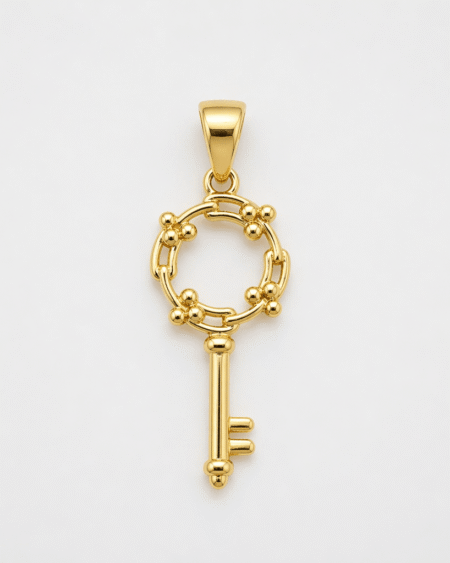
The 21st is the big one, and the key pendant is the tradition behind it. Ours sit in gold pendants from R895, with a diamond set version for families who want the occasion marked properly.
Traditional ceremonies and lobola negotiations are the second, and they call for pieces with weight and presence rather than delicacy. Heavier gold chains, gold bangles and gold bracelets do that work, and matched sets can be made to order so the pieces read as one gift rather than three.
Matric dances, confirmations and christenings sit at the other end, where small and solid beats large and plated every time. And weddings run through the whole collection, from engagement rings to wedding rings to the gold earrings the bride actually wears on the day.
Building a matched set
Buying pieces one at a time over years is how most collections happen, and it works as long as one decision is made early. Pick a colour and stay with it. Yellow with yellow reads as intentional, and a yellow chain with a white gold ring reads as two separate purchases, which is fine if that is what you want and jarring if it is not.
Match the weight too. A fine chain beside a heavy bracelet looks unbalanced on the same person. Aim for pieces in the same gauge range and the set holds together without matching exactly.
If you own sterling silver already, you do not have to replace it. Mixing metals works when it is repeated, so one two tone piece carrying both makes everything else on the hand or neck look deliberate.
Explore the collection
Product counts are live.
| Category |
What is in it |
Pieces |
| Gold rings |
Solitaires, halos, trinity swirls, signets and plain bands |
66 |
| Gold earrings |
Studs from R1,295 through to diamond set drops |
61 |
| Gold chains |
Nine link styles in 9ct and 18ct, from 1.75mm to 8.2mm |
58 |
| Gold chains and necklaces |
The same chains plus finished necklaces with pendants fitted |
46 |
| Gold pendants |
21st keys, crosses, hearts, African charms and diamond pieces |
41 |
| Gold bracelets |
Chain bracelets and ID bracelets in solid 9ct |
33 |
| Gold bangles |
Solid and hollow, plain and patterned |
13 |
| Rose gold chains and necklaces |
The warmest of the three colours |
11 |
| Gold plated jewellery |
Plated rather than solid, at a lower price point |
25 |
Reading rather than shopping? Our guides cover gold jewellery in South Africa, gold earrings and 9ct gold bangles.
Delivery and collection
Free insured delivery anywhere in South Africa, tracked from the Table View workshop in Cape Town to your door, including Johannesburg, Pretoria, Durban, Gqeberha and Bloemfontein. Collection in person is welcome, and for anything substantial it is worth seeing the piece before you decide. Made to order and engraved work needs additional time.
Questions
Is 9ct gold real gold?
Yes. It is 37.5 percent pure gold alloyed with other metals for strength, hallmarked 375, and it is the standard for jewellery worn every day in this country.
Why does the price of the same piece change?
Gold is bought by weight at an international price that moves daily and in a currency that moves too. That is why a written quote on a heavy piece holds for a period rather than indefinitely.
Where do I find the hallmark?
Inside a ring band, on a chain clasp, on the back or bail of a pendant, on an earring post, or inside a bangle near the hinge. It reads 375 or 750.
What is the difference between gold plated, gold filled and vermeil?
Plated is a thin gold layer over base metal. Filled is a thicker bonded layer. Vermeil is gold over sterling silver. None of the three is solid gold, and all three eventually wear at the contact points.
Does white gold need maintenance?
Yes, occasionally. The rhodium plating that makes it bright wears over a few years and is replated as a routine job. Yellow and rose gold need nothing.
Which colour gold should I choose?
Match what the person already wears, starting with their watch. Colour is the only real difference, since all three hold the same gold content at the same carat.
Is gold jewellery a good investment?
It holds value better than any other jewellery, because you own metal by weight. It still sells back for well under retail, since a buyer pays for weight rather than workmanship. Buy it to wear and insure it properly.
Should I insure my gold separately?
Usually yes. Household policies often cap jewellery at a low total figure. Specify pieces individually above that cap and keep the invoice or a valuation.
Can gold jewellery be repaired?
Yes, indefinitely. Solid gold can be resized, re-soldered, re-polished and rebuilt, which is the practical advantage it has over every plated alternative.
Can I use my old gold in a new piece?
Often, yes. Bring it in and it can be weighed, assessed and melted into a commission, which reduces what you pay for the new piece.
Does gold cause skin reactions?
Pure gold does not. Reactions come from alloy metals, usually nickel in some white gold. Mention any history of reactions when you order and we will steer you.
What is the cheapest way into solid gold?
A small pendant or charm from R550, or a pair of 9ct studs from R1,295. Both are solid, hallmarked and will outlast anything plated at the same price.
How do I clean gold at home?
Warm water, a drop of mild dish soap and a soft brush, then dry it fully. Gold does not tarnish, so what dulls it is film rather than damage.
Do you make custom gold pieces?
Yes, and about half of what leaves the workshop is made rather than bought in. Send a photo or a sketch with your budget and you get a quote before anything is made.
Can I see a piece before buying?
Yes. The workshop is in Table View, Cape Town, and you are welcome to come in, particularly for anything substantial.
Do you deliver across South Africa?
Yes, free and fully insured with tracking, to any address in the country.
Keep looking
By piece. Gold rings, gold earrings, gold chains, gold pendants, gold bracelets and gold bangles.
For the wedding. Engagement rings, lab grown diamond engagement rings, wedding rings and mens wedding rings.
For him. Mens jewellery, mens chains, mens bracelets and mens gold rings.
Other metals. Sterling silver jewellery, gold plated jewellery and stainless steel jewellery.
Made to order. Personalised jewellery, personalised necklaces and bespoke work.
Or start from the Aria Jewellery Palace homepage.

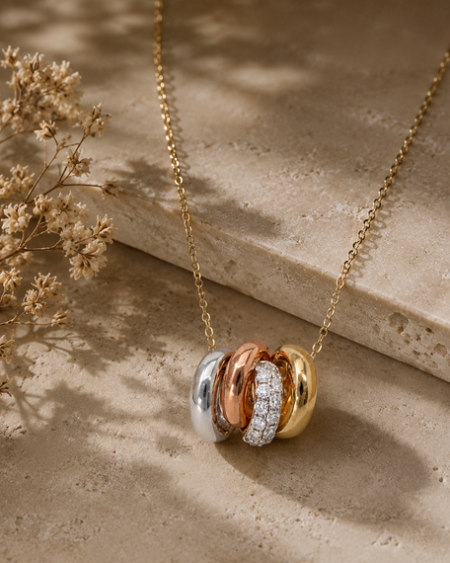 Quick View
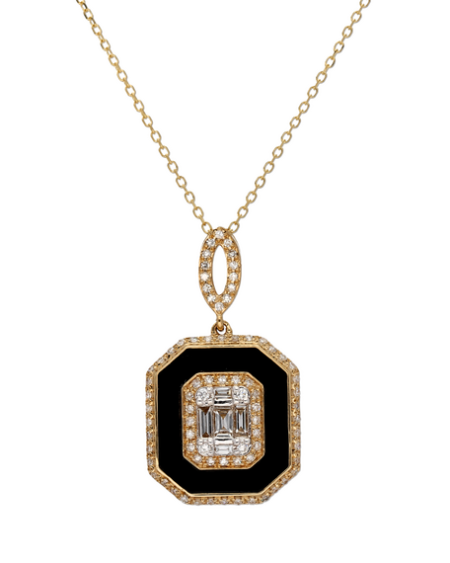 Quick View
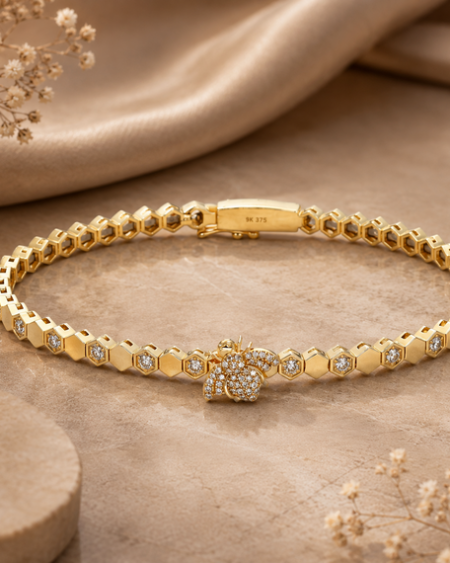 Quick View
 Quick View
 Quick View
 Quick View
 Quick View
 Quick View
 Quick View
 Quick View
 Quick View
 Quick View
 Quick View
 Quick View
 Quick View
 Quick View
 Quick View
 Quick View
 Quick View
 Quick View
 Quick View
 Quick View
 Quick View
 Quick View
 Quick View
 Quick View
 Quick View
 Quick View
 Quick View
 Quick View
 Quick View
 Quick View
 Quick View
 Quick View
 Quick View
 Quick View
 Quick View
 Quick View
 Quick View
 Quick View
 Quick View
 Quick View
 Quick View
 Quick View
 Quick View
 Quick View
 Quick View
 Quick View
 Quick View
 Quick View
 Quick View
 Quick View
 Quick View
 Quick View
 Quick View
 Quick View
 Quick View
 Quick View
 Quick View
 Quick View
 Quick View
 Quick View
 Quick View
 Quick View
 Quick View
 Quick View
 Quick View
 Quick View
 Quick View
 Quick View
 Quick View
 Quick View
 Quick View
 Quick View
 Quick View
 Quick View
 Quick View