
Category: Lab Grown Diamond Engagement Rings
Showing all 15 results
-
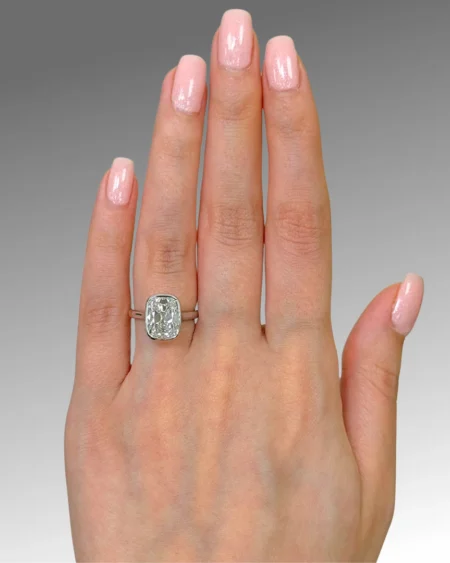 Quick View
4ct Elongated Cushion Cut Lab Diamond Engagement Ring
R44,850.00 Select options This product has multiple variants. The options may be chosen on the product page -
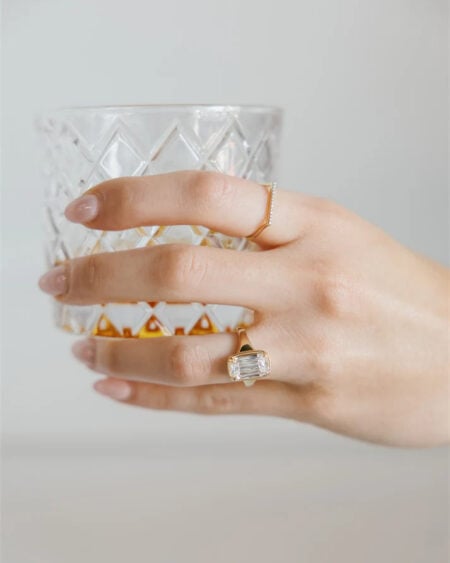 Quick View
Taylor Swift Inspired Engagement Ring – Elongated Cushion Bezel
R59,850.00 Select options This product has multiple variants. The options may be chosen on the product page -
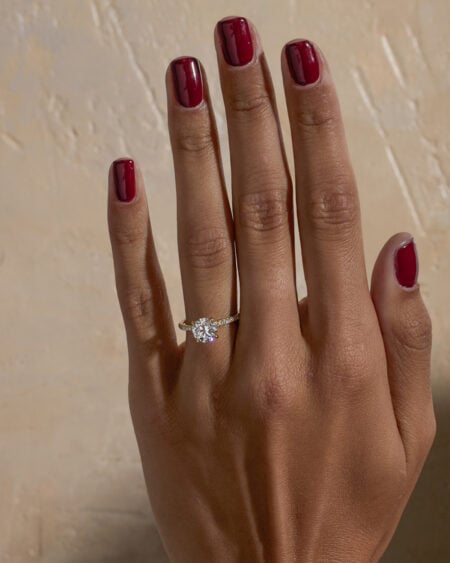 Quick View
2ct Round Lab Diamond Pave Engagement Ring
R28,950.00 Select options This product has multiple variants. The options may be chosen on the product page -
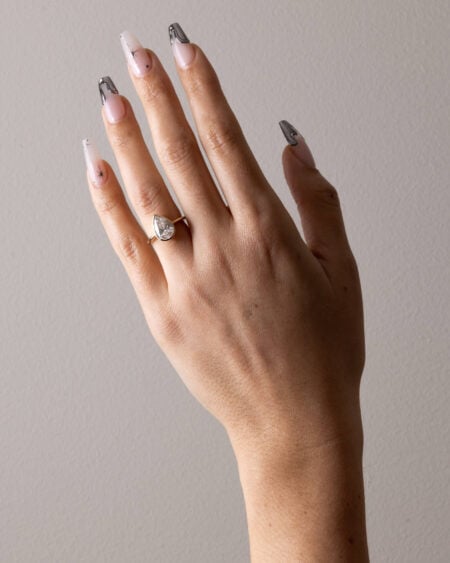 Quick View
Bezel Pear Lab Diamond Engagement Ring
R26,250.00 Select options This product has multiple variants. The options may be chosen on the product page -
 Quick View
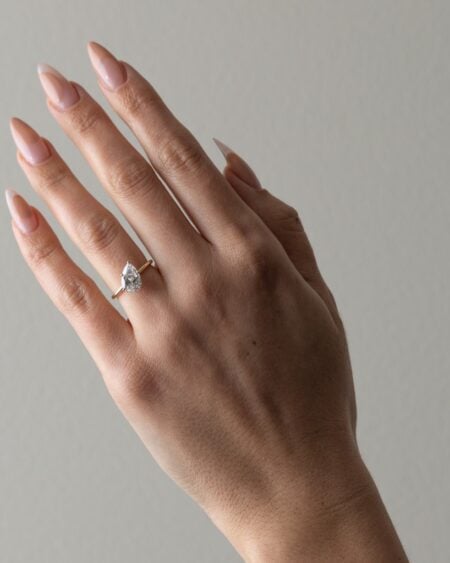
Pear Cut Lab Diamond Ring Tilt Setting
R24,990.00 Select options This product has multiple variants. The options may be chosen on the product page -
 Quick View
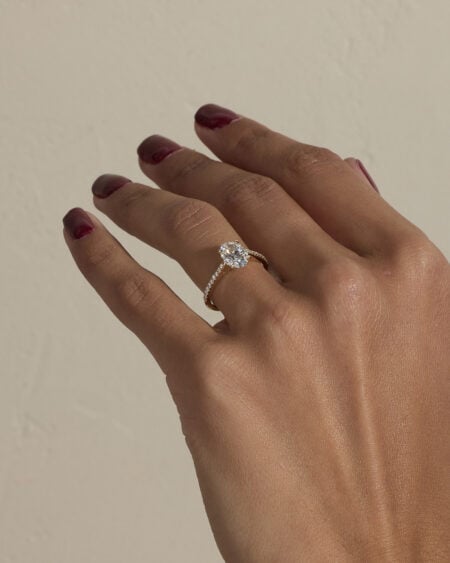
Pave Oval Lab Grown Diamond Engagement Ring
R28,950.00 Select options This product has multiple variants. The options may be chosen on the product page -
 Quick View
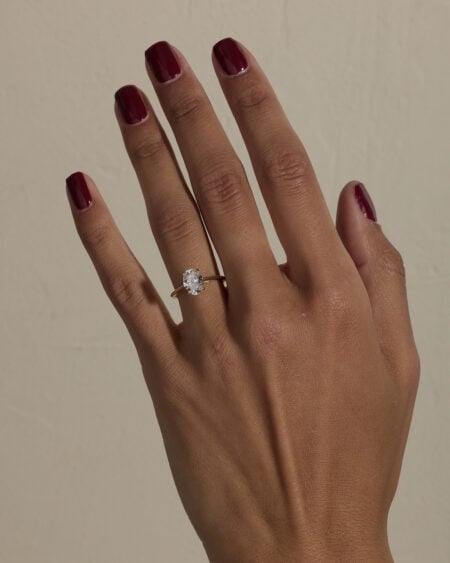
Solitaire Oval Lab Grown Diamond Engagement Ring
R24,990.00 Select options This product has multiple variants. The options may be chosen on the product page -
 Quick View
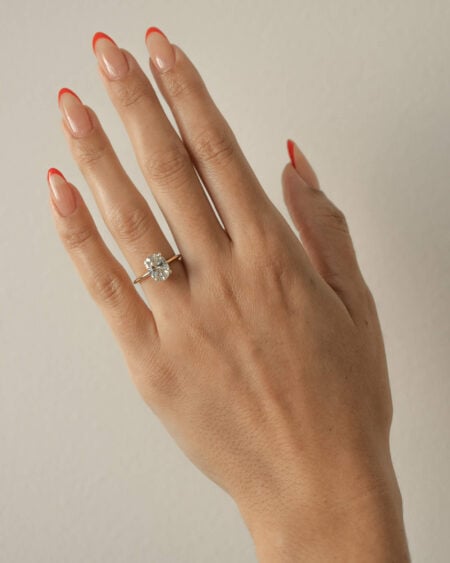
Oval Lab Grown Diamond Engagement Ring
R26,990.00 Select options This product has multiple variants. The options may be chosen on the product page -
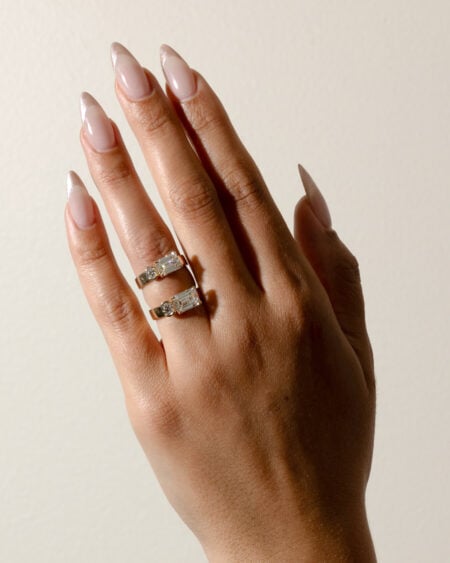 Quick View
2ct Emerald Lab Diamond Side Stone Engagement Ring
R32,520.00 Select options This product has multiple variants. The options may be chosen on the product page -
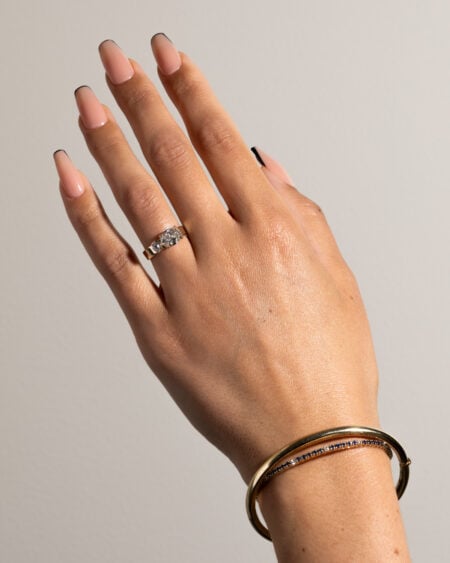 Quick View
2ct Oval Lab Diamond Side Stone Engagement Ring
R32,520.00 Select options This product has multiple variants. The options may be chosen on the product page -
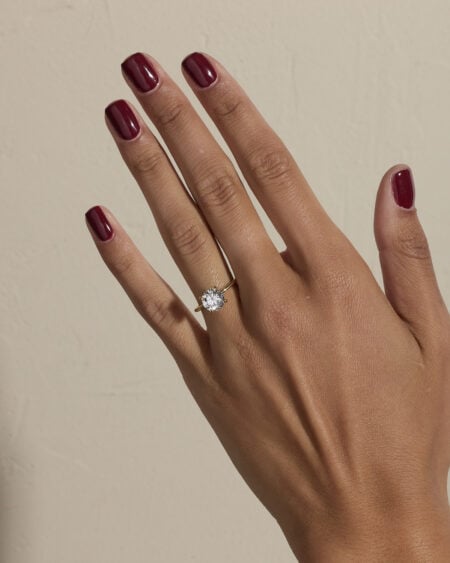 Quick View
2ct Round Lab Diamond Solitaire Engagement Ring
R24,990.00 Select options This product has multiple variants. The options may be chosen on the product page -
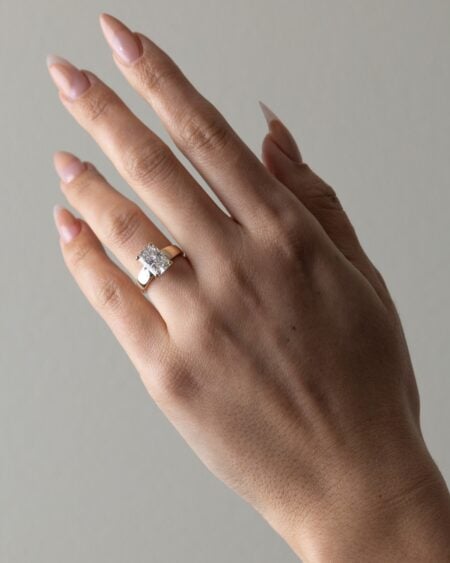 Quick View
3ct Radiant Cut Lab Diamond Engagement Ring
R39,850.00 Select options This product has multiple variants. The options may be chosen on the product page -
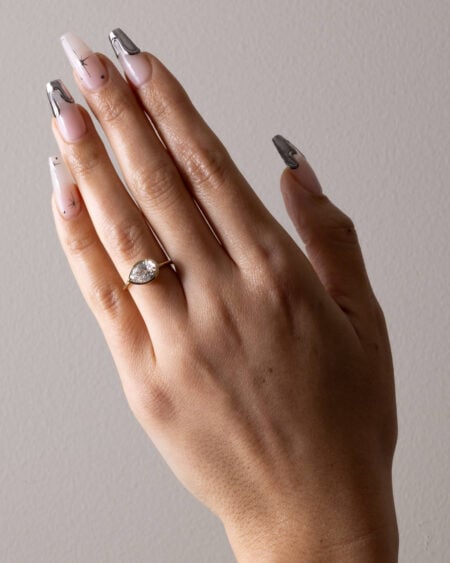 Quick View
Pear Bezel Lab Diamond Engagement Ring
R26,250.00 Select options This product has multiple variants. The options may be chosen on the product page -
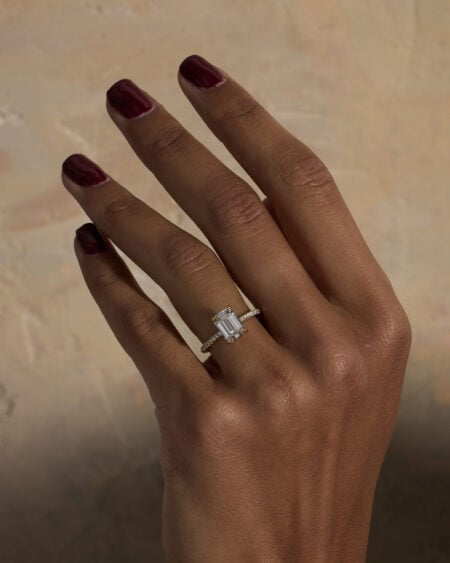 Quick View
2ct Emerald Lab Diamond Pave Engagement Ring
R28,950.00 Select options This product has multiple variants. The options may be chosen on the product page -
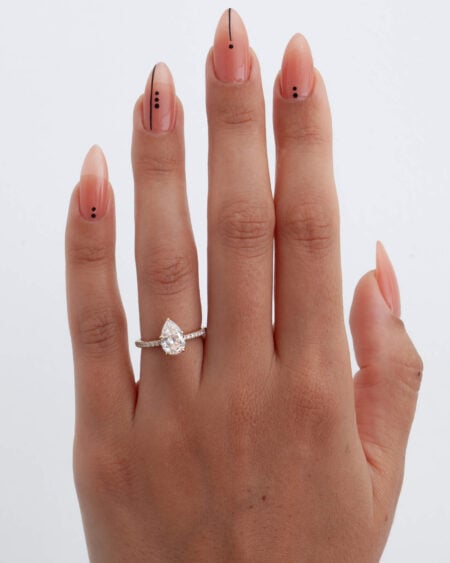 Quick View
Lab Grown Diamond Pear Pavé Engagement Ring
R28,950.00 Select options This product has multiple variants. The options may be chosen on the product page
Lab grown diamond engagement rings South Africa
A lab grown diamond is a diamond. Not a substitute, not an imitation, not a clever piece of glass. It is carbon in the same crystal structure as a mined stone, it grades on the same scales, it rates the same 10 on the Mohs scale, and a gemmologist needs specialist equipment to tell the two apart. The only real difference is where it formed and what it costs.
Aria Jewellery Palace makes lab grown diamond engagement rings by hand in Cape Town and delivers them insured across South Africa. There are 15 on this page, from R24,990 to R59,850, all set in solid 9ct gold, and every one can be rebuilt in a different carat, shape, setting or metal if the version you want is not listed.
Most people land here after pricing mined stones and getting a shock. That is the right instinct to follow. The same money buys roughly twice the carat weight in lab grown, which is why this has gone from a niche request to the second most popular choice in Aria’s workshop. If you are still weighing up stones, compare against natural diamond engagement rings, moissanite engagement rings and morganite engagement rings, or start from the full engagement rings collection.
The lab grown diamond engagement rings Aria makes
Every ring below is made to order in solid 9ct gold, in yellow, white or rose. Prices are the starting price for the listed carat and metal, and any of these can be built larger or in a different shape.
A second bezel pear is listed alongside these at R26,250 if the first is not quite the proportion you want. Nothing here is a fixed design. Tell Aria the carat and shape you have in mind and the ring gets built around it.
What a lab grown diamond actually is
Diamonds form when carbon is put under enormous pressure and heat. Underground that takes somewhere between one and three billion years. In a laboratory it takes a few weeks, using one of two methods.
HPHT stands for high pressure, high temperature, and it recreates the underground conditions directly. CVD stands for chemical vapour deposition, where carbon gas is broken down and the atoms settle onto a diamond seed layer by layer. Both produce real diamond. Both are graded, certified and sold the same way as mined stones, and most lab grown diamonds sold today are CVD.
What you end up with is not a diamond alternative. It is a diamond with a different origin story. It will scratch glass, it will outlast you, and if you drop it into a parcel of mined stones nobody in the room will pick it out by eye.
Why lab grown costs less
Two reasons, and neither of them is quality.
The first is supply. A mined carat has to be found, and large clean rough is genuinely rare, which is why mined prices climb so steeply with size. A grown carat is manufactured to order, so a four carat stone is a longer process rather than a lucky discovery.
The second is the supply chain. A mined stone passes through mining, sorting, cutting, wholesale and retail before it reaches you, and every hand takes a margin. A grown stone skips most of that.
Be aware of the flip side. Because supply is manufactured, lab grown prices have fallen substantially over the last few years and may keep falling. That is excellent news if you are buying now. It is bad news if you were planning to resell, which brings us to the honest part.
Do not buy any engagement ring as an investment. Lab grown diamonds resell for very little, and mined diamonds resell for far less than most people expect, usually a fraction of retail. Jewellery is not an asset class. Buy the ring because of how it looks on her hand and how much of it you get for your money, and insure it properly rather than counting on it.
Lab grown against mined, and against moissanite
Here is the comparison in full, including the parts that do not flatter the option Aria sells most of.
| Question | Lab grown diamond | Natural diamond | Moissanite |
|---|---|---|---|
| What it is | Carbon, grown above ground in weeks | Carbon, formed underground over billions of years | Silicon carbide, a different mineral entirely |
| Is it a real diamond | Yes | Yes | No, and it does not claim to be |
| Hardness | 10 | 10 | 9.25 |
| How it looks | Identical to mined by eye | The reference point | More coloured fire, especially in sunlight |
| Certified | Yes, on the same colour and clarity scales | Yes | Not usually, because it is not graded the same way |
| Carat for your money | Roughly double a mined stone | The least | Roughly four times a lab grown stone |
| Aria’s range | R24,990 to R59,850 | R17,250 to R58,950 | R10,990 to R39,600 |
| Resale | Low | Low, though the highest of the three | Low |
| Who it suits | Someone who wants a real diamond and a bigger one | Someone for whom mined is the point, or a family expectation | Someone who wants maximum stone for the money |
The practical way to read that table is this. If the word diamond has to be true, lab grown gets you there for half. If the word diamond does not matter and size does, moissanite goes further again. If a mined stone matters to her or to her family, buy the mined stone and do not let anyone talk you out of it. The natural diamond engagement rings are there for exactly that reason.
For the longer version on each stone, read the engagement rings South Africa guide or the moissanite engagement rings South Africa guide.
What a lab grown diamond ring costs in South Africa
Forget the three months salary rule. It was written by an advertising agency in the 1930s and it has cost people a great deal of money since. Spend what you can spend without borrowing, and put it into the stone and the metal rather than a name.
Compare that against mined. The 0.32ct natural diamond ring costs R25,850, which is what the 2ct lab grown solitaire costs at R24,990. Same spend, six times the carat weight. That single comparison is why this category exists, and why it keeps growing.
If your budget sits below this page, you are not out of options. The wider engagement rings collection starts at R10,990 with a real stone in solid gold.
Certification, and what to ask for
Lab grown diamonds are graded exactly like mined ones, on cut, colour, clarity and carat, and the certificate states clearly that the stone was laboratory grown. Most are certified by IGI, some by GIA, and the report will carry a number that is usually laser inscribed on the girdle of the stone.
Ask for the certificate before you pay and read three lines on it: carat weight, cut grade and the measurements in millimetres. The measurements matter more than people realise, because two stones of the same weight can look different sizes depending on how deeply they were cut.
Nobody is going to mistake your ring for something it is not. A lab grown diamond is a diamond, the paperwork says so, and the only people who will ever know the difference are the ones you choose to tell.
Shapes, and how they wear
Shape changes how a ring reads on a hand more than carat weight does. Elongated shapes cover more finger and look larger for the same money, which is the whole game when you are already buying a bigger stone.
| Shape | How it wears | On this page |
|---|---|---|
| Oval | Lengthens the finger and reads larger than its weight. The most requested shape at Aria by a distance | 4 rings |
| Pear | Elongating with a point, worn toward the nail. Suits narrower fingers | 4 rings |
| Round | The brightest shape there is, cut to return the most light. Never dates | 2 rings |
| Emerald | Stepped facets that flash in broad planes rather than sparkle. Shows clarity, so the stone must be clean | 2 rings |
| Elongated cushion | A softened rectangle. Wears like an oval with more presence | 2 rings |
| Radiant | A cushion outline with brilliant faceting. The shape of an emerald and the fire of a round | 1 ring |
Photographs flatten everything, so judge a shape on a hand rather than a screen where you can. If you are choosing blind, oval is the safest answer and pear is the most interesting one.
Settings, and what they do
The setting decides how high the stone sits, how much it catches on clothing, how safe it is on a working hand and whether a wedding band will sit flush against it later. Tell Aria if a fitted band is coming and the two will be cut to match from the start.
| Setting | What it looks like | Best for |
|---|---|---|
| Solitaire | One stone, nothing else | Letting a two carat stone do all the talking |
| Pave | Small stones set along the band | Sparkle across the whole ring, not just the centre |
| Bezel | A metal rim holding the stone all the way round | Nurses, teachers, gym, anyone hard on their hands |
| Side stone | Tapered stones flanking the centre | Width across the finger without a halo |
| Tilt | The stone set on an angle rather than square to the band | Someone who does not want the ring everyone else has |
Yellow, white or rose gold
Every ring here is made in solid 9ct gold, never plated and never filled, so the colour and the strength run right through the piece. Plated rings wear through within months and expose the base metal underneath.
| Metal | How a lab diamond looks in it | Worth knowing |
|---|---|---|
| White gold | Cool metal against a white stone. The traditional diamond setting, and it makes the stone read brighter | Rhodium plated for brightness, so it needs replating every few years |
| Yellow gold | Warm metal that throws the white of the stone into contrast. Currently the most requested | Hides everyday wear better than the other two |
| Rose gold | A warm blush that softens the whole ring | The hardest of the three golds, thanks to the copper in the alloy |
9ct and 18ct differ in gold content, not in how they look to the eye. 9ct is harder and takes daily knocks better, which is why Aria builds most engagement rings in it.
Do not guess her ring size. Borrow a ring she already wears on that finger and send Aria the inside measurement, and measure at the end of a normal day because fingers swell in heat. Every Aria engagement ring can be resized afterwards, but getting it right the first time means she wears it the day you give it to her.
Having one made instead
Roughly half of what leaves Aria’s workshop is designed from scratch, and lab grown is the easiest stone to do it with, because the stone is made to your specification rather than found. Take any ring on this page and change the carat, the shape, the setting or the metal. Or start from a photograph she saved, a sketch, or a ring in the family that needs rebuilding around a new stone.
The process protects you at every step. Send the idea on WhatsApp with your budget. Aria quotes it, so you know the number before committing. The ring is drawn in 3D and the render comes to you. You approve it, change it, or start again, and no metal is cut until you say yes. Only then is it cast, set and finished by hand in Cape Town. The full process is set out in bespoke engagement rings South Africa.
Buying a lab grown diamond ring online in South Africa
Three things make this safe. Know exactly what stone you are buying and ask for the certificate before payment. Buy from someone who makes the ring rather than someone who ships it in, because a maker can alter it, resize it and repair it years later. And get the ring size as close as you can.
Aria’s workshop is in Table View, Cape Town, and you are welcome to come in and see stones and settings in person. Everything is delivered insured across South Africa, to Johannesburg, Pretoria, Durban, Gqeberha and everywhere between. Payment options include EFT and instalment plans, which is how a good number of these rings get bought.
Looking after it
A lab grown diamond is as hard as any diamond on earth, which is to say nothing will scratch it. The gold holding it is another matter, and gold bends.
| Do this | Why it matters | How often |
|---|---|---|
| Wash it in warm water with a drop of mild dish soap and a soft toothbrush | What dulls a diamond is the film of hand cream, sunscreen and soap underneath it, not damage | Fortnightly |
| Take it off for gym, gardening, cleaning and swimming | Chlorine attacks the alloys in gold, and a knocked claw is how stones get lost | Every time |
| Have the claws checked | Claws wear and loosen on every ring ever made. Catching it early costs almost nothing | Every year or two |
| Store it on its own in a lined box | A diamond will scratch every other stone you own, including another diamond | Daily |
| Insure it and specify it | Household policies often cap jewellery well below what this ring cost | From day one |
After the engagement ring
The wedding bands come next, and ordering them from the same workshop means they are cut to sit against the engagement ring properly instead of fighting it. Her band sits in wedding rings. His sits in men’s wedding rings, which runs from R280 in stainless steel up to solid 9ct gold, and the men’s wedding rings buying guide covers width and metal for him.
By stone. Lab grown diamond engagement rings, natural diamond engagement rings, moissanite engagement rings and morganite engagement rings, or the whole engagement rings collection in one place.
More rings. Every ring Aria makes sits in rings, with gold rings, tanzanite rings and personalised rings alongside.
Beyond rings. Gold jewellery, sterling silver jewellery, gold chains and necklaces, gold earrings, gold pendants, gold bracelets and bangles, plus engraved pieces in personalised jewellery. Everything starts from the Aria Jewellery Palace homepage.
Lab grown diamond questions people ask
Is a lab grown diamond a real diamond?
Yes. Same carbon, same crystal structure, same 10 on the Mohs scale, graded on the same colour and clarity scales. It is grown above ground rather than mined, and that is the only difference.
Can anyone tell it is lab grown?
Not by eye, and not with a loupe. It takes specialist laboratory equipment. The certificate states the origin, which is exactly as it should be.
How much cheaper is a lab grown diamond?
Roughly half a comparable mined stone, and often much better than that at larger sizes. On this page R24,990 buys a 2ct solitaire, while R25,850 buys a 0.32ct mined stone.
Do lab grown diamonds hold their value?
No, and neither do mined diamonds to the degree people believe. Resale on any engagement ring is a fraction of retail. Buy it to wear, insure it properly, and ignore anyone selling you a stone as an investment.
Will a lab grown diamond cloud or fade?
No. It is diamond. It does not cloud, fade, discolour or wear out, and it will look the same in fifty years as it does the day you collect it.
Are lab grown diamonds certified?
Yes, usually by IGI and sometimes GIA, on the same four Cs as mined stones. Aria will tell you what any stone is certified as before you buy.
What is the difference between lab grown diamond and moissanite?
A lab grown diamond is chemically a diamond. Moissanite is silicon carbide, a different mineral, slightly softer at 9.25 and with more coloured fire. Moissanite costs roughly a quarter as much, so it is the choice when size matters more than the word diamond.
What size stone should I choose?
Most rings on this page are built around two carats, and that is the size most people picture when they imagine an engagement ring. Three and four carats read as unmistakably large. Elongated shapes look bigger than round at the same weight.
How much should I spend?
What you can spend without borrowing. These rings start at R24,990, and the wider engagement rings collection starts at R10,990 if that is the budget.
Can I have one made to my own design?
Yes, and lab grown is the easiest stone for it because the stone is grown to specification. You approve a 3D render before any metal is cut. See bespoke engagement rings South Africa.
How long does it take to make?
These are made to order, so Aria confirms the timeline with the quote. Start earlier than you think you need to, particularly if you are sourcing a specific stone.
What if the ring size is wrong?
Aria resizes engagement rings. Borrowing a ring she already wears on that finger is the easiest way to get it right the first time.
Will a wedding band sit flush against it?
It will if you say so before the ring is made, and the two get cut to sit together. Her band lives in wedding rings.
Do you deliver outside Cape Town?
Yes. Aria delivers insured across South Africa, including Johannesburg, Pretoria, Durban and Gqeberha, and you are welcome to visit the Table View workshop.
Talk it through before you buy
Choosing between the lab grown diamond engagement rings South Africa jewellers offer comes down to two questions, and neither is technical. How big do you want the stone, and what does she already wear. Send a message with your budget and the answers to those, and Aria will come back with two or three honest options and what each one costs, including the ones cheaper than what you asked about.

