
Lab Grown Diamond Engagement Rings South Africa
Lab Grown Diamond Engagement Rings South Africa
A lab grown diamond is a real diamond, grown above ground rather than mined, with the same carbon crystal structure, the same 10 on the Mohs hardness scale and the same certification as a mined stone. Aria Jewellery Palace makes lab grown diamond engagement rings by hand in Cape Town and delivers them insured across South Africa. There are 15 rings on this page, from R24,990 to R59,850, all set in solid 9ct gold, and any of them can be rebuilt in a different carat, shape or metal to match what you have in mind.
At a glance: lab grown diamond, IGI certified, set in solid 9ct gold in yellow, white or rose. R24,990 to R59,850 across 15 rings shown, plus fully custom designs, made in Cape Town and delivered insured nationwide.
Compare a lab grown diamond against a mined stone before you choose. The same money that buys roughly a third of a carat mined buys around two carats grown, which is the reason this category exists and keeps growing. If a mined stone matters to you or to her family, the natural diamond engagement rings are built to the same standard. If size matters more than the word diamond, moissanite engagement rings go further again for less.
Shop Lab Grown Diamond Engagement Rings for Every Style & Budget
-
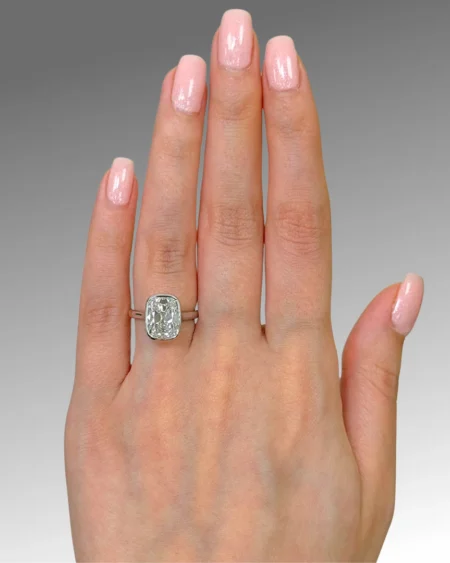 Quick View
4ct Elongated Cushion Cut Lab Diamond Engagement Ring
R44,850.00 Select options This product has multiple variants. The options may be chosen on the product page -
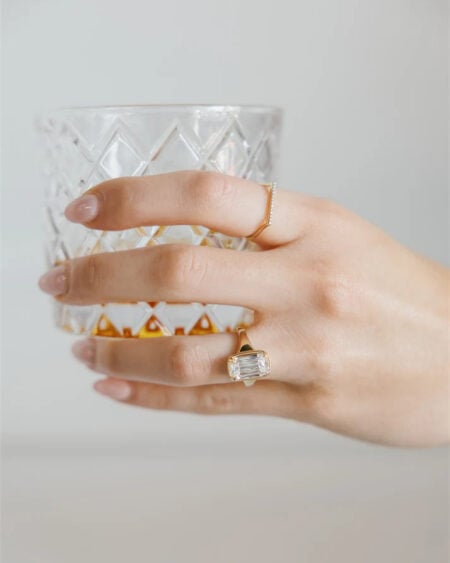 Quick View
Taylor Swift Inspired Engagement Ring – Elongated Cushion Bezel
R59,850.00 Select options This product has multiple variants. The options may be chosen on the product page -
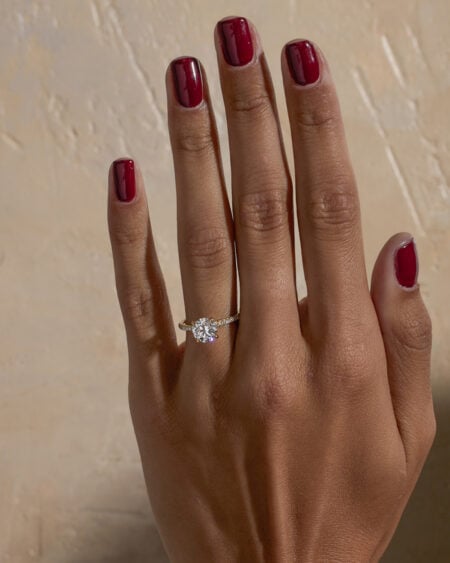 Quick View
2ct Round Lab Diamond Pave Engagement Ring
R28,950.00 Select options This product has multiple variants. The options may be chosen on the product page -
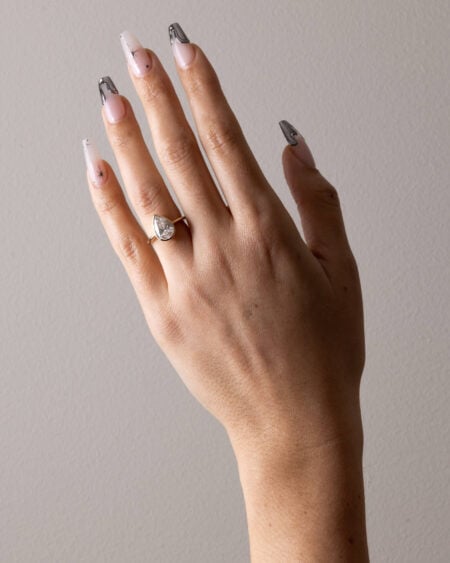 Quick View
Bezel Pear Lab Diamond Engagement Ring
R26,250.00 Select options This product has multiple variants. The options may be chosen on the product page -
 Quick View
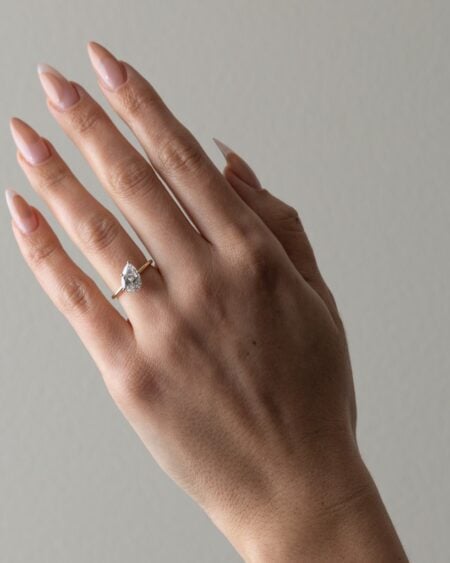
Pear Cut Lab Diamond Ring Tilt Setting
R24,990.00 Select options This product has multiple variants. The options may be chosen on the product page -
 Quick View
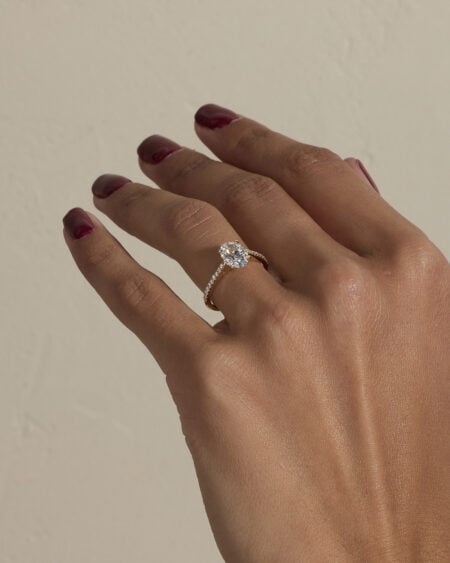
Pave Oval Lab Grown Diamond Engagement Ring
R28,950.00 Select options This product has multiple variants. The options may be chosen on the product page -
 Quick View
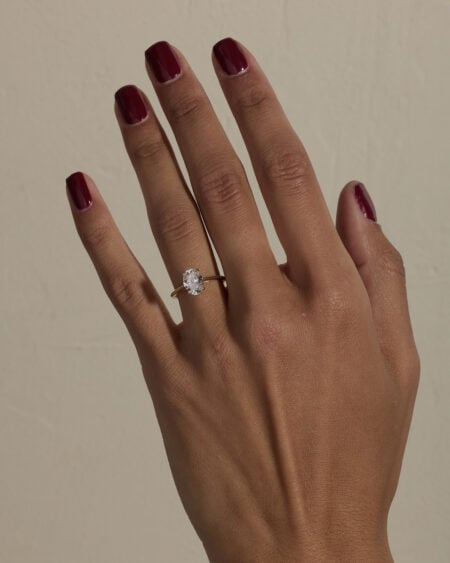
Solitaire Oval Lab Grown Diamond Engagement Ring
R24,990.00 Select options This product has multiple variants. The options may be chosen on the product page -
 Quick View
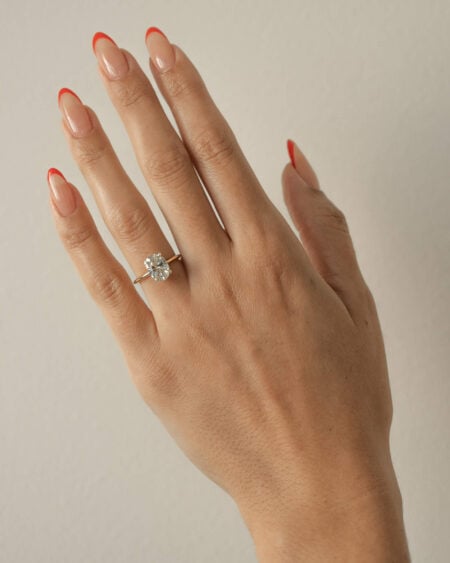
Oval Lab Grown Diamond Engagement Ring
R26,990.00 Select options This product has multiple variants. The options may be chosen on the product page -
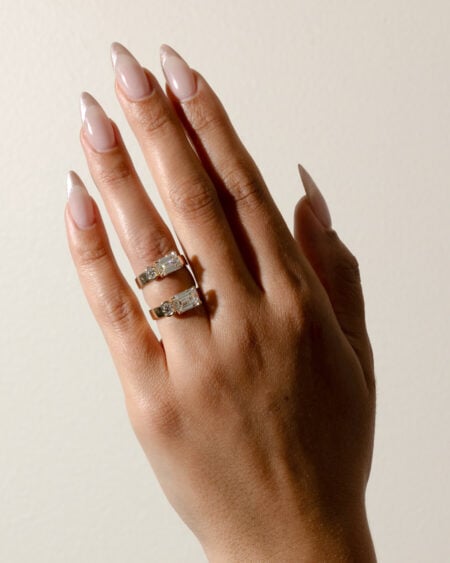 Quick View
2ct Emerald Lab Diamond Side Stone Engagement Ring
R32,520.00 Select options This product has multiple variants. The options may be chosen on the product page -
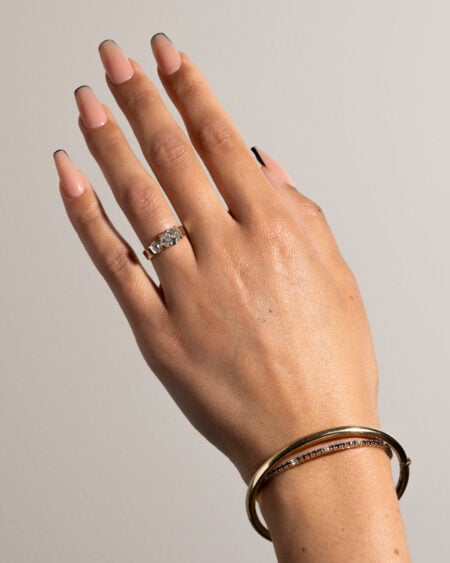 Quick View
2ct Oval Lab Diamond Side Stone Engagement Ring
R32,520.00 Select options This product has multiple variants. The options may be chosen on the product page -
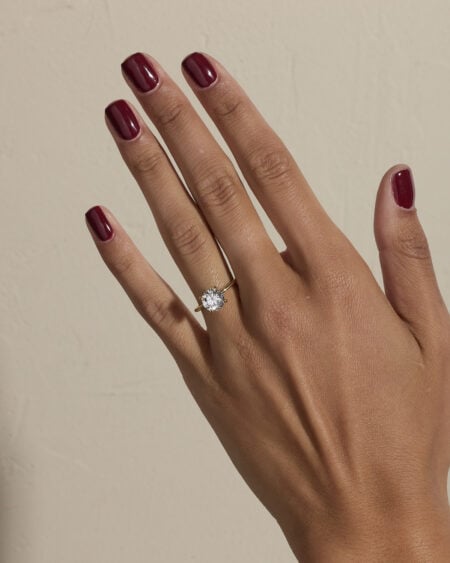 Quick View
2ct Round Lab Diamond Solitaire Engagement Ring
R24,990.00 Select options This product has multiple variants. The options may be chosen on the product page -
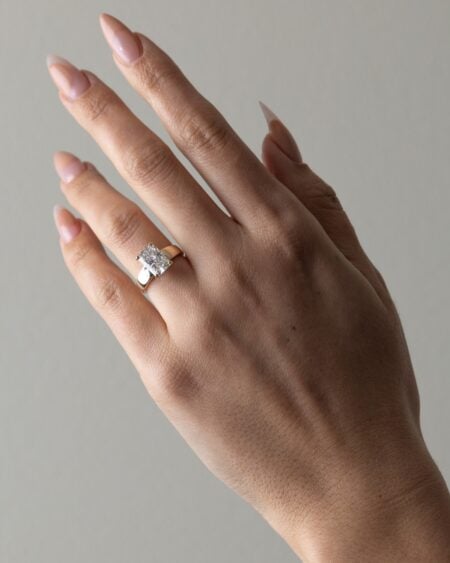 Quick View
3ct Radiant Cut Lab Diamond Engagement Ring
R39,850.00 Select options This product has multiple variants. The options may be chosen on the product page -
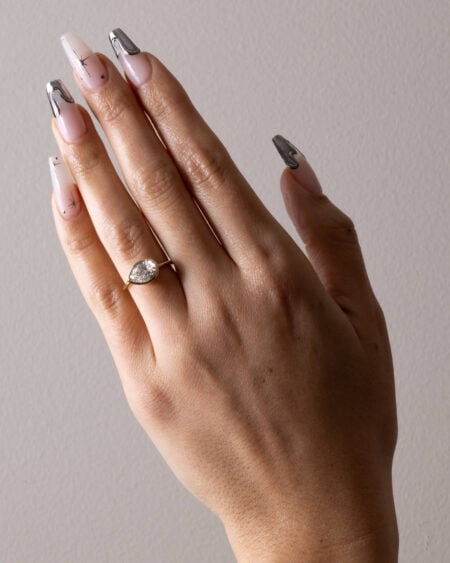 Quick View
Pear Bezel Lab Diamond Engagement Ring
R26,250.00 Select options This product has multiple variants. The options may be chosen on the product page -
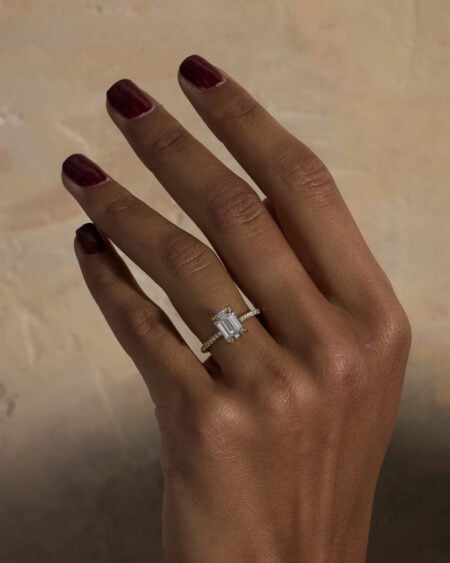 Quick View
2ct Emerald Lab Diamond Pave Engagement Ring
R28,950.00 Select options This product has multiple variants. The options may be chosen on the product page -
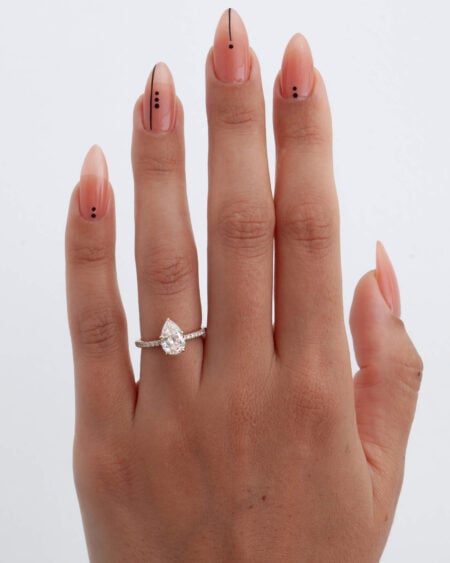 Quick View
Lab Grown Diamond Pear Pavé Engagement Ring
R28,950.00 Select options This product has multiple variants. The options may be chosen on the product page
Lab Grown Diamond Engagement Rings in South Africa
Searching for lab grown diamond engagement rings in South Africa? You have landed in the right place. Aria Jewellery Palace stocks one of the widest online ranges of lab grown diamond engagement rings in the country, and every piece ships insured to Johannesburg, Cape Town, Pretoria, Durban, Gqeberha, Bloemfontein and every town between them.
You will find every shape and carat weight here, from clean solitaires through halo settings to three stone designs and modern bezel styles. Every stone is certified, and every ring can be built to your own specification if what you have in mind is not already listed. Buyers researching lab grown diamond engagement rings by shape, ethical lab created diamonds or affordable lab grown diamond engagement rings all end up asking the same questions, and this page answers them.
Where to Buy Lab Grown Diamond Rings in South Africa
If you are asking who sells lab grown diamond rings near me, the honest answer for most of South Africa is that the best selection is not near you at all. It is online. Aria Jewellery Palace runs as an online store, which means the catalogue is not limited by shelf space or a single city. You browse the full range from your phone or laptop, in Johannesburg, Cape Town, Pretoria, Durban or a small town nowhere near a jeweller, and the ring reaches you the same way either way.
Every ring is photographed and filmed from multiple angles so you can judge the cut, the setting and the finish before you commit. If you want to talk a design through with a person rather than a product page, Aria offers a video call or WhatsApp consultation, where you can ask about a specific stone, compare shapes side by side on screen, and get a straight answer about size and price. That beats a rushed conversation in a shopping centre, and it works whether you are in Sandton or six hours from the nearest city jeweller.
How Much Do Lab Grown Diamond Engagement Rings Cost in South Africa?
This is the question every buyer asks first, and the number is genuinely good news. Lab grown diamond ring prices in South Africa typically run 50 to 70 percent lower than a natural diamond ring of the same cut, colour, clarity and carat weight. That gap lets you choose a bigger stone, a higher clarity grade or a heavier gold setting without stretching your budget.
Price still depends on carat weight, cut quality, colour, clarity and the metal you choose for the band. A two carat lab grown solitaire in 9ct gold will always cost less than the same stone set with a full pave band or side stones, and a three or four carat centre stone moves the price up sharply because larger rough is a longer growing process, not a lucky find. Aria's team will walk you through exactly where your budget lands and what it buys, before you pay a deposit on anything.
Payment Options for Lab Grown Diamond Engagement Rings
Aria keeps payment simple. You can pay by EFT or card, and instalment plans are available for larger purchases, which is how a good number of these rings actually get bought. Ask about instalment terms when you request a quote, and you will get a straight number rather than a sales pitch.
Whatever your budget, from a modest two carat solitaire to a larger custom piece, the goal is the same. You should know the full price before you commit, with no surprise costs added once the ring is already being made.
South Africa's Widest Online Selection of Lab Grown Diamond Engagement Rings
Most South African jewellers who sell lab grown diamonds work from a single shop with a shelf of pre-set rings. Aria works differently. Because the business runs online, the catalogue is not capped by what fits in a display case. You can browse dozens of settings, shapes and carat combinations from home, compare them side by side on screen, and narrow your choice before ever contacting the team.
Every listing includes detailed photography and measurements, so you know the exact proportions of the stone and the width of the band before you buy. If a design needs adjusting, a resized centre stone, a different metal colour or a change to the setting, you say so and the ring is built to match. This is the advantage of an online lab grown diamond engagement ring specialist over a shop with fixed stock. You are not limited to what happens to be sitting in a cabinet the day you walk in.
For buyers who want to see options laid out clearly, the full engagement rings collection groups every stone type in one place, so you can move between lab grown, natural and moissanite engagement rings without opening a new page each time.
Lab Grown Diamond Engagement Rings by Shape
Shape changes how a ring reads on the hand far more than most buyers expect, and it is worth understanding before you choose a carat weight. Round brilliant remains the most requested shape, cut specifically to throw the most light back at the viewer, and it never looks dated. Oval is the shape Aria sells the most of after round, because it lengthens the finger and reads larger than its actual carat weight, which matters when you are already choosing lab grown for the size advantage.
Emerald cut carries broad, stepped facets rather than small flashes of sparkle, giving a cleaner and more architectural look that suits a minimal band. Cushion cut softens a square outline into rounded corners and pairs well with a hidden halo, adding visible size without changing the visible carat weight. Pear combines the elongating effect of an oval with a distinct point, usually worn toward the fingernail, and it tends to suit narrower hands. Princess cut delivers sharp, contemporary brilliance for buyers who want a more angular look, while radiant cut blends the brilliance of a round stone with the clean lines of an emerald, giving strong fire without losing definition. Marquise, with its long pointed ends, creates a dramatic silhouette and often looks larger than its actual weight suggests, which makes it a popular choice among buyers comparing lab grown diamond ring prices by shape.
If you are choosing shape without seeing the ring in person, photographs never tell the full story. A short video call with the team, or a request for extra photos in different lighting, will tell you far more than a single product image.
Ready to Wear or Custom Made
Every ring on the site is available to order as shown, in the shape, carat and metal listed. If none of those match what you picture, Aria also builds fully custom lab grown diamond engagement rings from scratch, and this is where buying online works in your favour rather than against you. Because the stone itself is grown to specification rather than sourced from existing rough, a custom carat weight or shape is simply part of the order rather than a special request.
The process starts with a message describing what you want, sent by WhatsApp or email, along with your budget. Aria confirms a quote before any work begins. Once the stone and setting are agreed, you receive a 3D render of the finished ring by email, so you can see the proportions and make changes before anything is cast. Nothing goes into production until you approve that render. This removes the guesswork that usually comes with buying a custom ring without seeing it first, and it means you are never paying for a surprise.
Metal Options for Lab Grown Diamond Rings
Aria builds its lab grown diamond engagement rings in solid 9ct gold, never plated and never filled, so the colour runs through the whole piece rather than sitting on the surface. You can choose yellow, white or rose gold depending on the look you want.
White gold is the traditional choice for diamond settings because the cool tone makes the stone appear brighter, though it is rhodium plated and needs replating every few years to keep that bright finish. Yellow gold is currently the most requested colour, and its warmth throws the white of the stone into clear contrast while hiding everyday wear better than the other two. Rose gold gives a softer, warmer look overall and, thanks to the copper content in the alloy, wears the hardest of the three. Whichever colour you choose, ask about matching a wedding band at the same time, so the two rings are cut to sit flush against each other later. Aria's wedding rings collection covers her band, and men's wedding rings covers his.
Certification and What to Ask For
A lab grown diamond is graded on the same scale as a mined stone, using the same four criteria of cut, colour, clarity and carat weight. The certificate will state clearly that the stone is laboratory grown, and most of Aria's stones carry an IGI report, with some graded by GIA. That report usually includes a laser inscription on the girdle of the stone, matching the certificate number, so the paperwork and the physical diamond can always be matched to each other.
Before you pay a deposit, ask to see the certificate and check three figures on it. Look at the carat weight, the cut grade and the millimetre measurements. The measurements matter more than most buyers expect, because two stones of identical carat weight can look different sizes on the hand depending on how deep or shallow the cut is. A well cut stone at a lower carat weight will often look larger and brighter than a poorly cut stone that weighs more.
Settings and What They Do
The setting decides how a ring feels day to day just as much as it decides how it looks. A solitaire setting holds one stone alone on a plain band, letting a larger lab grown diamond do all the visual work without competition from smaller stones. A pave setting lines the band with small stones, so the whole ring catches light rather than just the centre, which suits buyers who want extra sparkle without a larger centre stone. A halo setting surrounds the centre stone with a ring of smaller stones, making the whole design look larger from a distance, and a hidden halo tucks that ring underneath the centre stone so it only shows from certain angles.
A bezel setting wraps a metal rim fully around the stone, which is the safest option for anyone who works with their hands often, since there are no raised claws to catch or bend. Side stone settings flank the centre with tapered stones, adding width across the finger without the cost of a full halo. Whichever setting you choose, tell Aria early if a wedding band will be worn against the engagement ring, since the two can be cut to sit flush against each other from the start rather than fighting for space later.
Choosing the Right Carat Weight
Because lab grown diamonds cost far less per carat than mined stones, most buyers on this page choose a larger centre stone than they would if they were shopping natural diamonds on the same budget. Two carats is the size most people picture when they imagine an engagement ring, and it reads clearly on the hand without looking unusual. Three and four carat stones move firmly into statement territory, and an elongated shape such as oval, pear or marquise will look noticeably larger than a round stone of the same weight, purely because of how the length is distributed across the finger.
If you are unsure where to land, start with your budget rather than a carat target. Aria's team can show you what different shapes look like at the same price point, so you are comparing actual appearance on the hand rather than a number on a certificate.
Looking After Your Lab Grown Diamond Ring
A lab grown diamond will not scratch, cloud or fade with age, since it scores a full 10 on the Mohs hardness scale, the same as a mined stone. What dulls a diamond over time is not damage but a film of hand cream, sunscreen and soap building up underneath the setting, so a simple clean restores the sparkle far more often than people expect. Wash the ring every couple of weeks in warm water with a drop of mild dish soap, using a soft toothbrush to reach underneath the stone, then rinse and dry with a soft cloth.
The gold holding the stone is softer than the diamond itself, so take the ring off for the gym, gardening, swimming and heavy cleaning, since chlorine and hard knocks are what damage claws and settings over time, not the stone. Have the claws checked once a year or two, since a loose claw caught early is a small repair, while a loose claw left alone is how stones get lost. Store the ring on its own in a lined box, since a diamond will scratch almost anything else it touches, including another diamond, and insure it specifically rather than relying on a standard household policy, which often caps jewellery cover well below what an engagement ring actually costs.
Lab Grown Diamond vs Natural Diamond: Making the Right Choice
Buyers comparing lab grown diamond vs natural diamond options usually want a straight answer, not a sales pitch, so here is one. Lab grown diamonds are real diamonds. They share the same carbon crystal structure as a mined stone, the same 10 on the Mohs hardness scale, and the same certification process through recognised laboratories such as IGI. A gemmologist needs laboratory equipment, not a loupe, to tell a lab grown stone from a mined one.
The differences come down to origin, price, consistency and resale. A natural diamond forms underground over billions of years, while a lab grown diamond is created in a controlled facility over a period of weeks using one of two established methods. That difference in production is the entire reason lab grown diamonds cost 50 to 70 percent less than a comparable natural stone, since a natural stone still has to be found, cut and passed through a longer supply chain before it reaches you.
Lab grown diamonds also tend to show more consistent colour and clarity, since the growing environment is controlled from start to finish. Natural diamonds, formed under far less predictable conditions, often carry unique inclusions that some buyers see as part of the stone's character rather than a flaw. On durability, there is no difference at all. Both score 10 on the Mohs scale and both will withstand decades of daily wear without scratching.
Resale is the one area where natural diamonds still hold an edge, because their supply is limited and their secondary market is longer established. Lab grown diamonds do not resell for close to what you paid, and neither, in practice, does a natural stone. Buy either one to wear, not as an investment, and insure it properly rather than counting on resale value. If a mined stone matters to you or your family for reasons beyond price, Aria's natural diamond engagement rings collection covers that choice with the same certification standards.
Why Lab Grown Diamonds Cost Less
The lower price of a lab grown diamond comes down to two factors, and neither one relates to quality. The first is supply. A mined carat has to be found underground, and large, clean rough is genuinely scarce, which is why mined diamond prices rise sharply as carat weight increases. A grown carat, by contrast, is manufactured to a set specification, so a larger stone simply takes longer to grow rather than requiring a rare discovery.
The second factor is the supply chain itself. A mined diamond typically passes through several hands, from mining to sorting, cutting, wholesale and retail, and each step adds a margin to the final price. A lab grown diamond skips most of that chain, which is a large part of why the saving reaches 50 to 70 percent rather than a modest discount. Worth knowing too is that lab grown diamond prices have continued to fall as production technology has improved, which works in your favour as a buyer now, even though it means resale value stays low.
Getting the Ring Size Right
Do not guess a ring size, since it is the single most common reason a proposal ring needs resizing afterwards. The most reliable method is to borrow a ring she already wears on the correct finger and measure the inside diameter, ideally at the end of a normal day, since fingers swell slightly in warmer conditions. Send that measurement to Aria along with your order, and every ring can still be resized afterwards if needed, though getting it close the first time means she can wear it from the day you give it to her.
Why Lab Grown Diamond Engagement Rings Are in High Demand in South Africa
Lab grown diamond engagement rings have grown quickly in popularity across South Africa for a simple reason. Buyers get a real diamond, with the same brilliance, hardness and certification as a mined stone, at a price that lets them choose a larger centre stone or a better clarity grade than their budget would otherwise allow. As wedding costs continue to rise, that value gap has made lab grown the practical choice for a growing number of couples, without asking anyone to compromise on what the stone actually is.
The controlled growing process also means more consistent colour and clarity across the range, which appeals to buyers who want a clean, bright stone without paying a premium for rarity that has nothing to do with how the ring looks on the hand.
Common Questions About Lab Grown Diamond Engagement Rings
Are lab grown diamonds real diamonds?
Yes. A lab grown diamond has the same carbon crystal structure, the same hardness and the same optical properties as a mined diamond. The only difference is where it was formed. It is not a simulant like cubic zirconia, and it is a different mineral entirely from moissanite.
How much do lab grown diamond engagement rings cost in South Africa?
Expect to pay 50 to 70 percent less than a comparable natural diamond ring of the same cut, colour, clarity and carat weight. Exact pricing depends on the stone and the metal chosen for the setting, and Aria will confirm a full quote before you pay anything.
Can you sell a lab grown diamond ring later?
The resale market for lab grown diamonds is still developing, and prices do not hold anywhere near retail value. This is true of natural diamonds too, just to a lesser degree. Buy a lab grown diamond ring because you want to wear it, and insure it properly rather than treating it as an asset.
How do I clean a lab grown diamond ring?
Use warm water, a small amount of mild dish soap and a soft toothbrush to gently clean around the stone and the setting. Rinse well and dry with a soft cloth. Avoid bleach and other harsh chemicals, which can damage the gold. A yearly check on the claws and prongs will catch wear before it becomes a problem.
What is the difference between moissanite and lab grown diamonds?
Moissanite is silicon carbide, a different mineral from diamond, and it is sold as an alternative rather than a substitute. Lab grown diamond is chemically, physically and optically identical to a mined diamond. Moissanite shows more colourful fire and costs less again than lab grown, which makes it the right choice when carat size matters more than the word diamond. Aria's moissanite engagement rings collection sits alongside the lab grown range for exactly this comparison.
Can I have a lab grown diamond ring custom made?
Yes. Because the stone is grown to specification, a custom carat weight, shape or setting is a normal part of the order rather than a special request. You approve a 3D render before any work begins. See bespoke engagement rings South Africa for the full process.
Do you deliver lab grown diamond rings across South Africa?
Yes. Every ring is shipped insured to Johannesburg, Cape Town, Pretoria, Durban, Gqeberha, Bloemfontein and anywhere else in the country, with tracking provided from the moment it leaves Aria.
How long does a custom lab grown diamond ring take to make?
Timelines depend on the design and the stone, and Aria confirms an exact date as part of the quote. Starting the process a few weeks earlier than you think you need to gives enough room for the 3D render, any changes and final delivery.
Will a wedding band sit flush against my lab grown diamond ring?
Yes, as long as you mention it before the engagement ring is made. Both rings can then be cut to fit together properly rather than leaving a gap once the wedding band is added later.
Are lab-grown diamonds worth it?
For most buyers, yes. You get the same hardness, brilliance and certification as a mined diamond, at 50 to 70 percent less, which usually means a larger stone or a higher clarity grade for the same budget.
Do lab-grown diamonds last forever?
Yes. A lab-grown diamond is as durable as a mined one, since both score 10 on the Mohs scale. It will not wear down, cloud or lose brilliance with age.
Do lab-grown diamonds sparkle the same as mined diamonds?
Yes. Sparkle comes from how light moves through the crystal structure of the stone, and a lab-grown diamond shares that structure exactly with a mined one. A well cut lab-grown stone shows the same brilliance and fire.
Are lab-grown diamonds cheaper than mined diamonds?
Yes, usually by 50 to 70 percent for a comparable cut, colour, clarity and carat weight. The saving comes from a shorter supply chain and a manufactured rather than mined source, not from lower quality.
Can lab-grown diamonds be certified?
Yes. Aria's lab-grown diamonds are graded by the same laboratories, most often IGI, using the same colour, clarity, cut and carat standards applied to mined stones. The certificate states the stone's origin clearly.
Can people tell the difference between a lab-grown and a mined diamond?
Not by eye, and not with a jeweller's loupe. Telling the two apart requires specialist laboratory equipment, which is exactly why the certificate matters more than appearance when you buy.
Are lab-grown diamond engagement rings popular in South Africa?
Yes, and demand keeps growing. More couples are choosing lab-grown diamonds because they want a real diamond at a lower price, without giving up certification or quality.
Can I choose my own diamond size and shape for a lab-grown ring?
Yes. Since the stone is grown to order rather than sourced from existing rough, you can specify the carat weight, shape and quality grade to fit your design and your budget.
Are lab-grown diamonds a more responsible choice?
Lab-grown diamonds are created in a facility rather than mined from the ground, which avoids large-scale mining and its associated land and water impact. If that matters to you, it is a genuine point in favour of choosing lab-grown.
Explore More Rings and Jewellery
If you have not settled on lab grown yet, compare it directly against natural diamond engagement rings, moissanite engagement rings and morganite engagement rings, or browse the full engagement rings collection in one place.
Once the engagement ring is sorted, wedding bands come next. Her band sits in wedding rings, and his sits in men's wedding rings. For every other ring style, from gold rings to personalised rings, the full rings collection covers the rest of the range. Start from the Aria Jewellery Palace homepage to see everything the store carries beyond rings, including gold jewellery, sterling silver and personalised pieces.
Request A Custom Quote
Tell us what you want to create. Share your idea, budget and inspiration images. We’ll review it and guide you toward the best design, stone and metal options for your budget


